A conceptual product exploring how future technologies could enable selective environmental sound filtering.
Developed through 3D design and advanced AI-assisted workflows, the project combines speculative thinking with product development and visual experimentation.
Year
2024/2025
Skills
Concept Development
Product Thinking
UI Design
3D Design & Visualization
Visual Prototyping
AI-Assisted Workflows
Year
2024/2025
Skills
Concept Development
Product Thinking
UI Design
3D Design & Visualization
Visual Prototyping
AI-Assisted Workflows
Year
2024/2025
Skills
Concept Development
Product Thinking
UI Design
3D Design & Visualization
Visual Prototyping
AI-Assisted Workflows
Additional projects





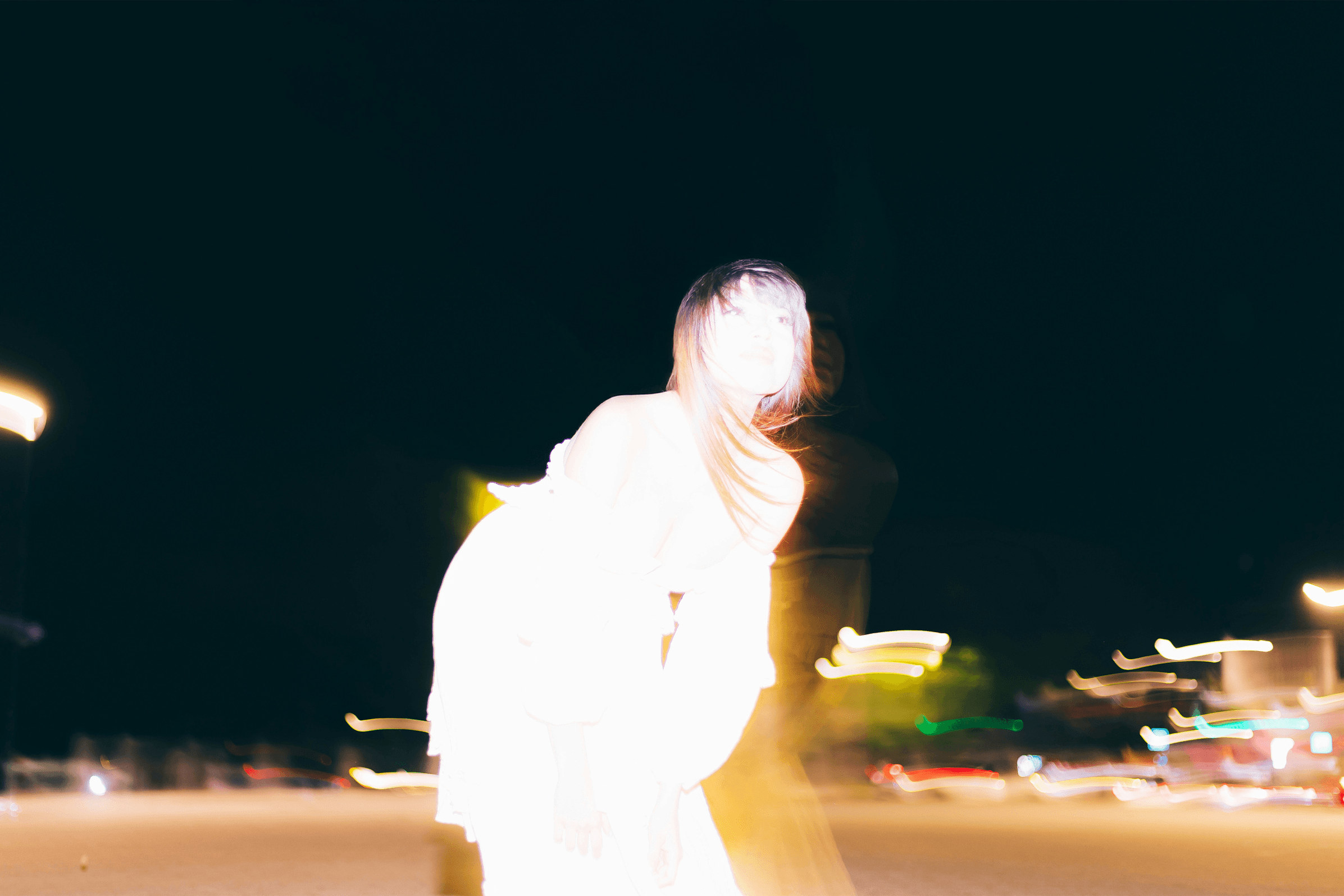
We live in a state of constant auditory stimulation — notifications, traffic, conversations, and background noise continuously competing for attention.
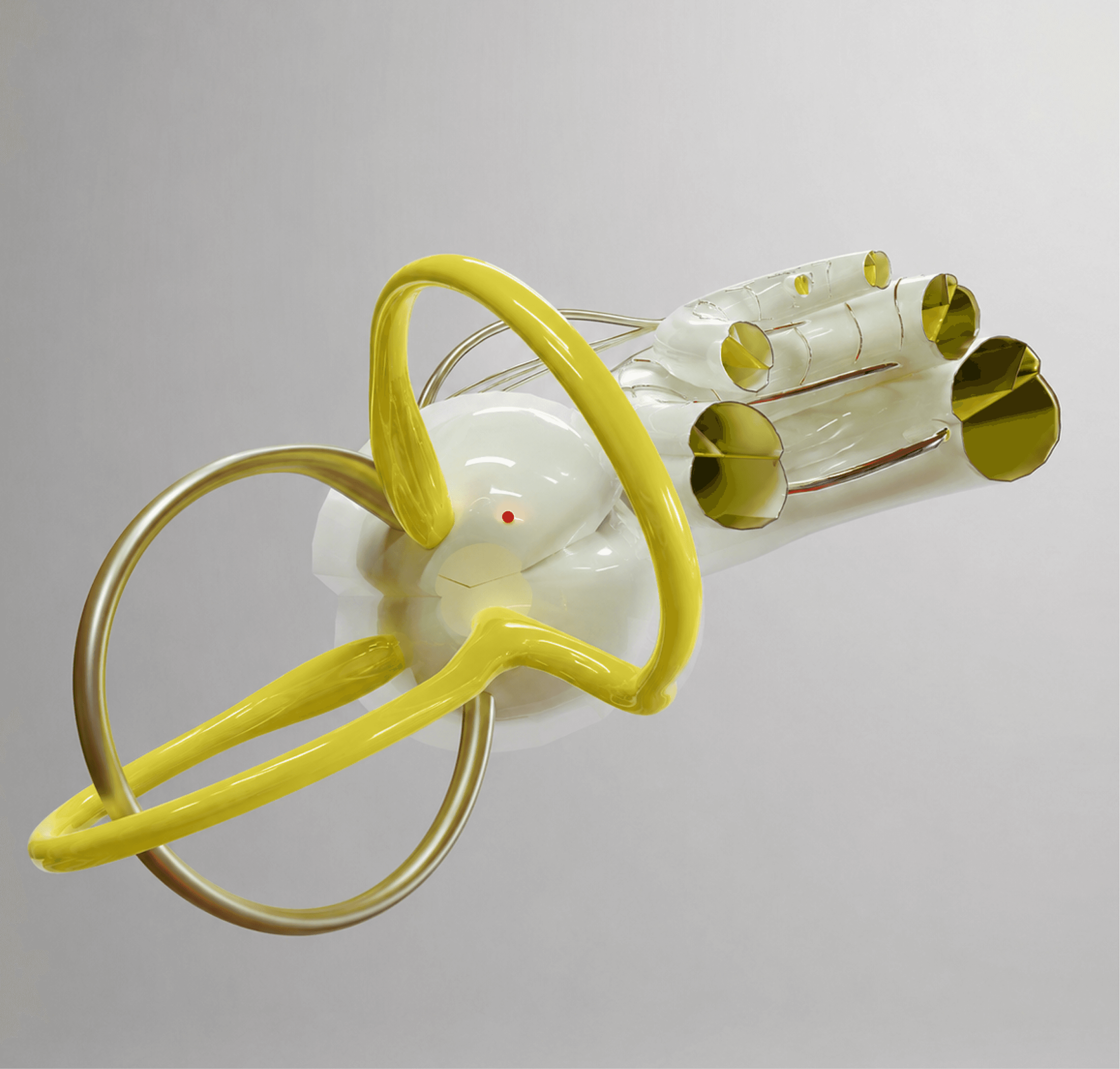
The Reality Filter Device explores a speculative product scenario in which sound becomes an intentional, controllable layer rather than passive environmental input. Designed as a fictional technological object, a project examines how emerging technologies could reshape focus, perception, and sensory control.
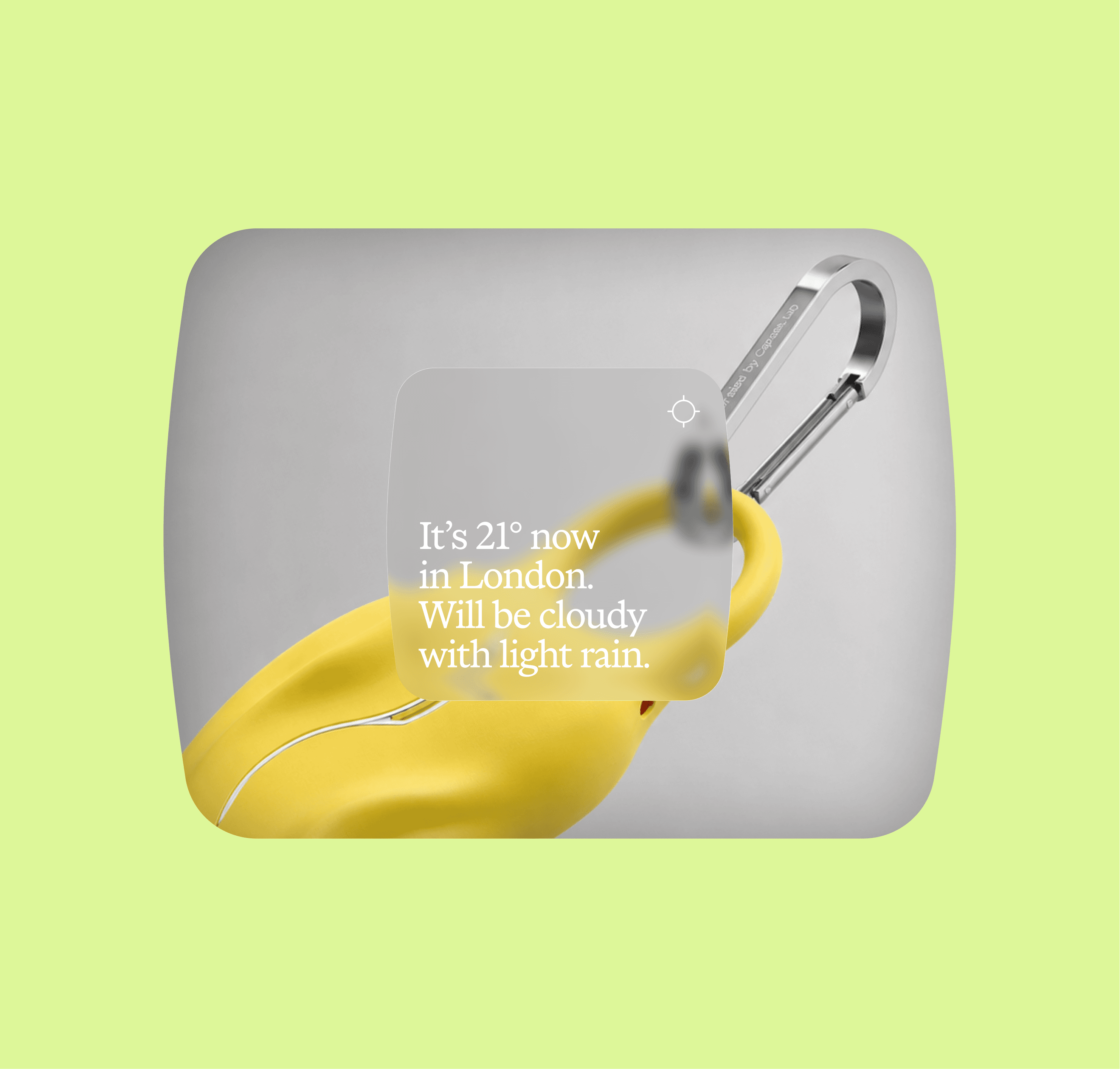
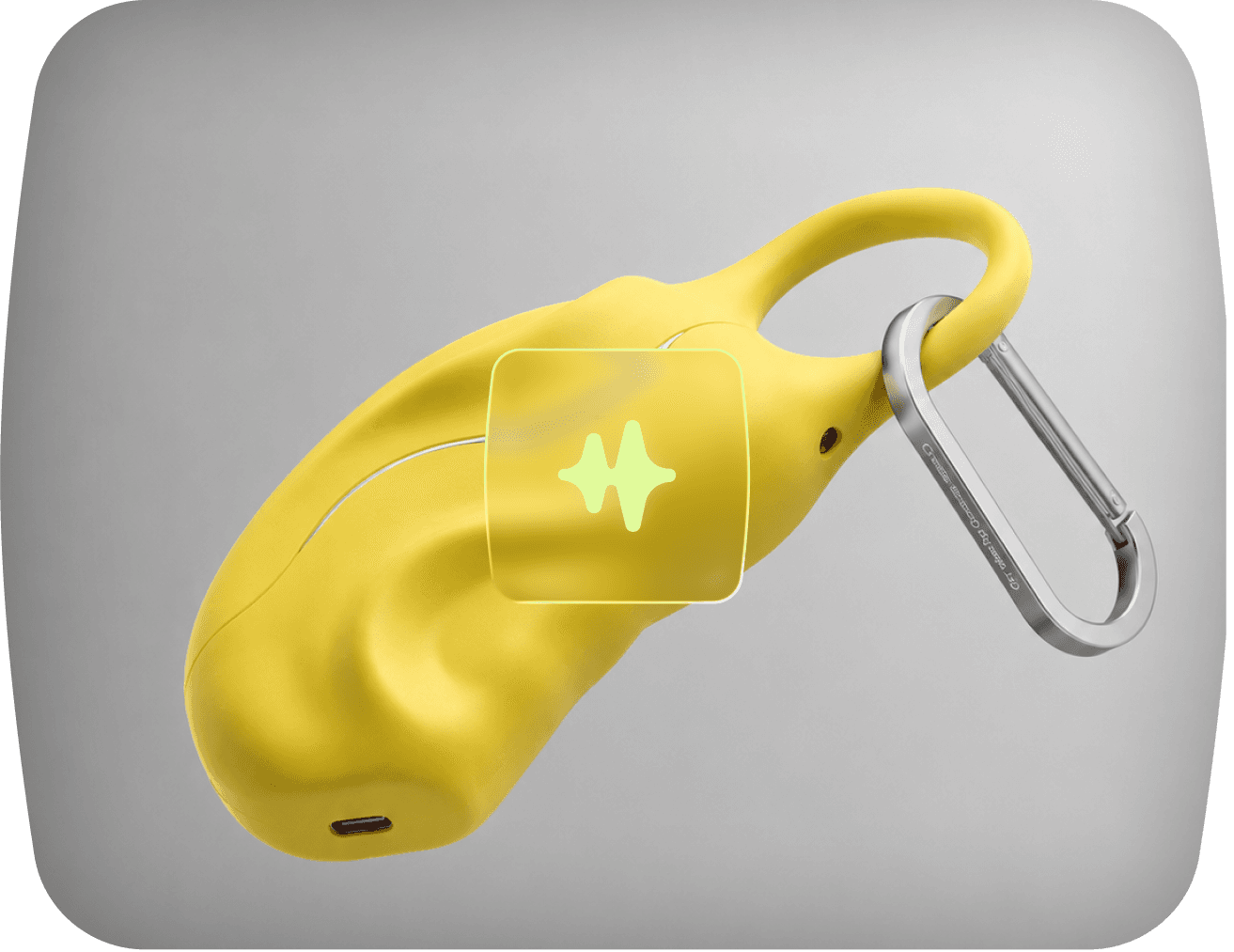
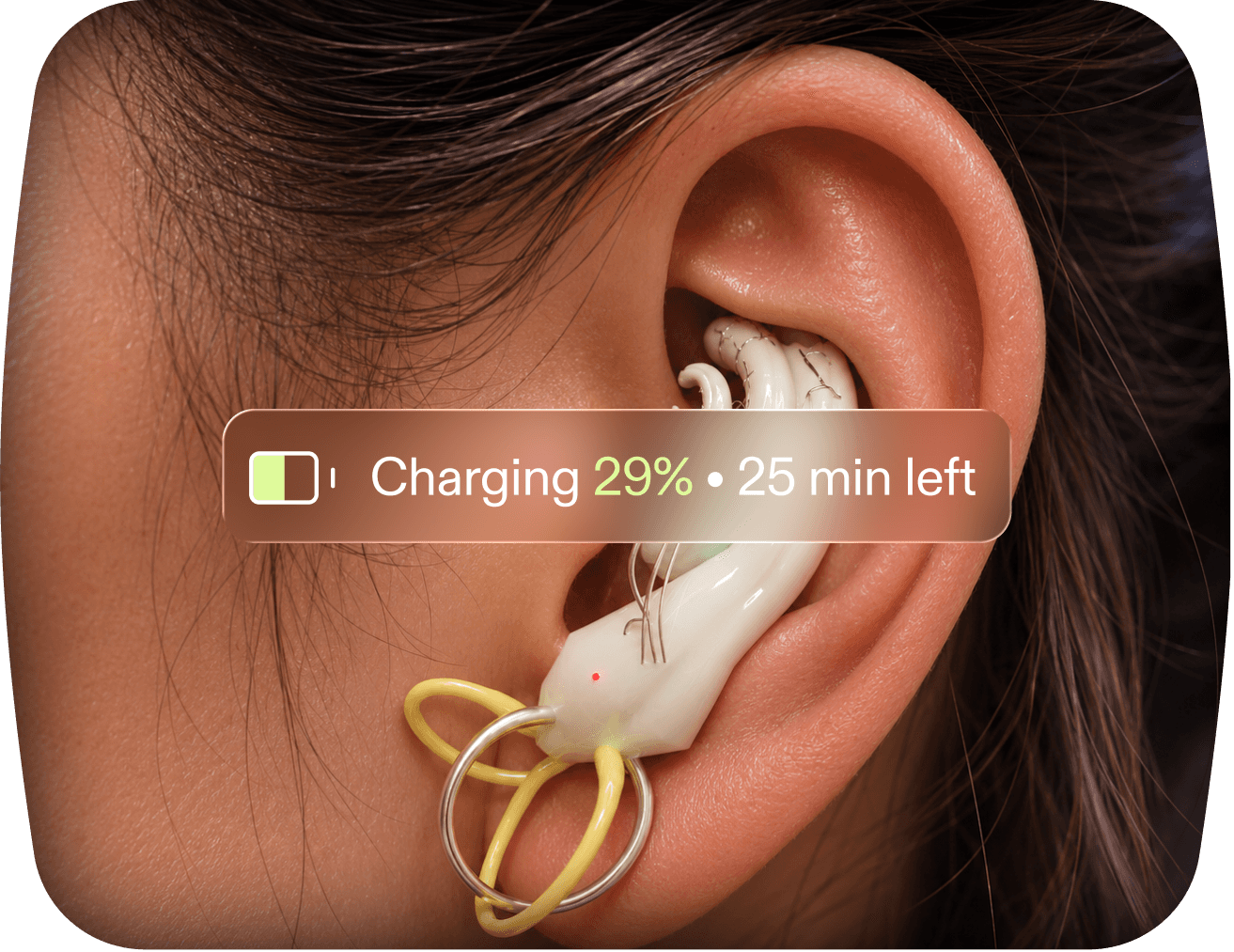
The Reality Filter Device is a speculative consumer technology object designed to selectively filter environmental sound in real time.
Unlike traditional noise-cancelling devices that reduce overall volume, the system proposes a more intentional approach to auditory control — enabling users to shape how external sound is experienced through customizable filtering behaviors. Controlled through a companion app, the device explores how future wearable technologies could transform sound into a dynamic and personalized sensory layer.

The Reality Filter Device is a speculative consumer technology object designed to selectively filter environmental sound in real time.
Unlike traditional noise-cancelling devices that reduce overall volume, the system proposes a more intentional approach to auditory control — enabling users to shape how external sound is experienced through customizable filtering behaviors. Controlled through a companion app, the device explores how future wearable technologies could transform sound into a dynamic and personalized sensory layer.
The Reality Filter Device is a speculative consumer technology object designed to selectively filter environmental sound in real time.
Unlike traditional noise-cancelling devices that reduce overall volume, the system proposes a more intentional approach to auditory control — enabling users to shape how external sound is experienced through customizable filtering behaviors. Controlled through a companion app, the device explores how future wearable technologies could transform sound into a dynamic and personalized sensory layer.


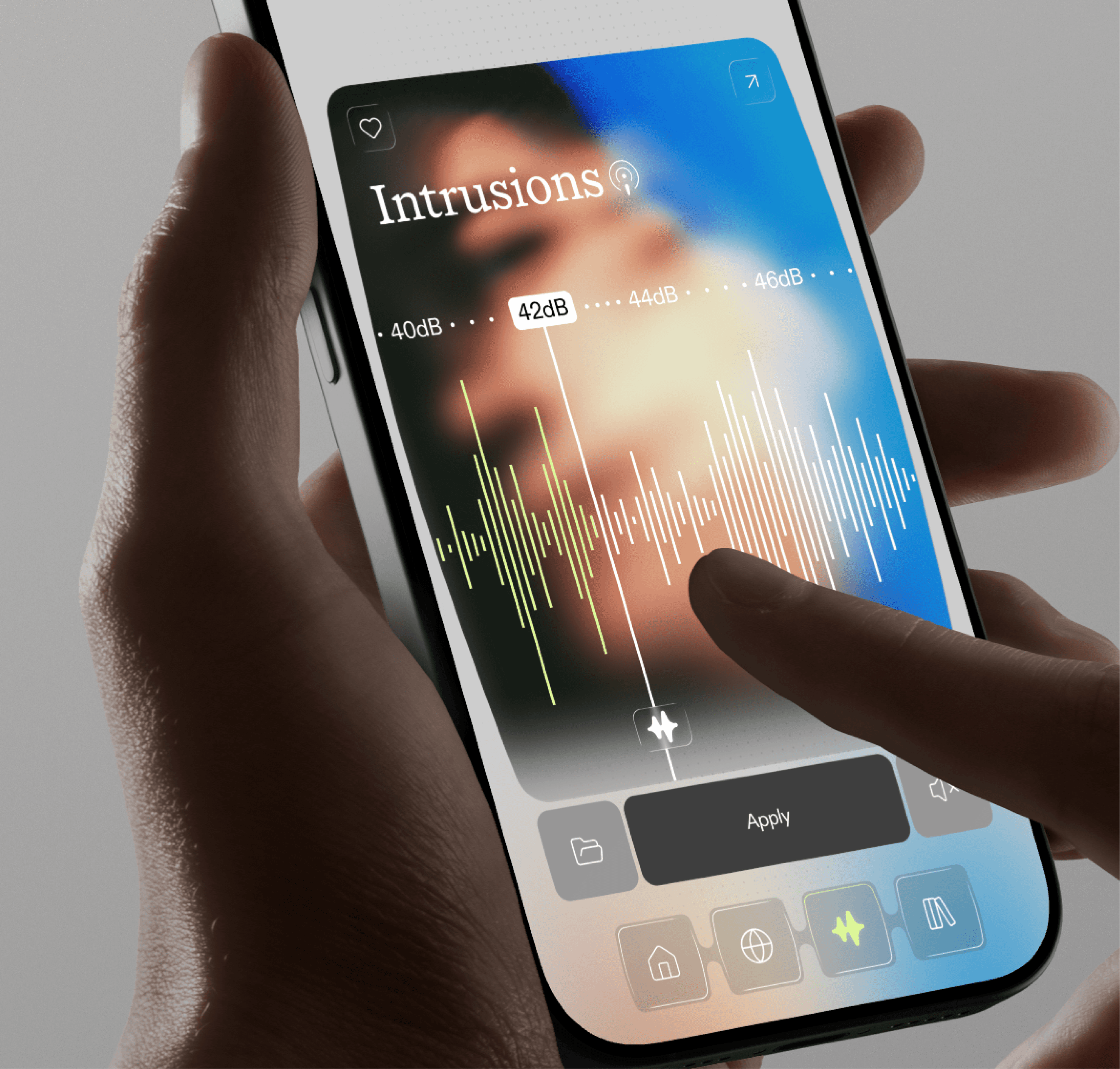
Reality Filter Device extends beyond the wearable itself. The companion application acts as the central interface for understanding, interpreting, and shaping the surrounding soundscape.
Rather than simply controlling audio levels, the system translates complex environmental information into a set of understandable sound layers that can be monitored, adjusted, and personalized in real time.
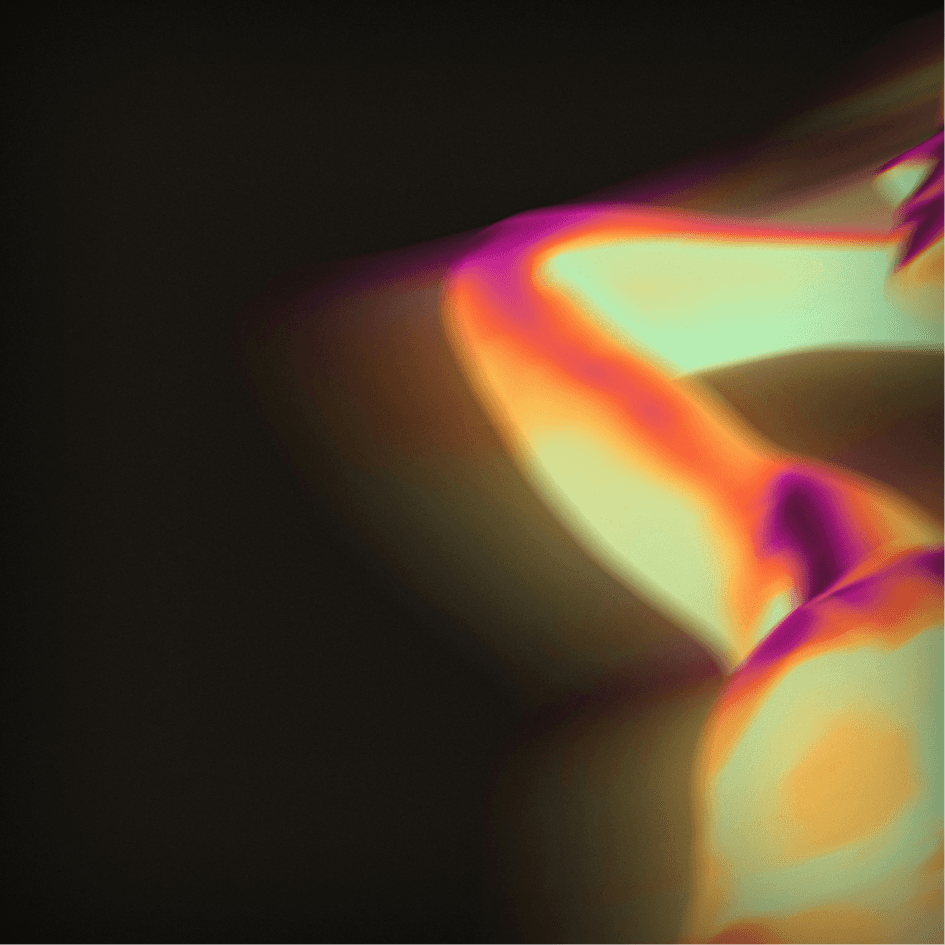
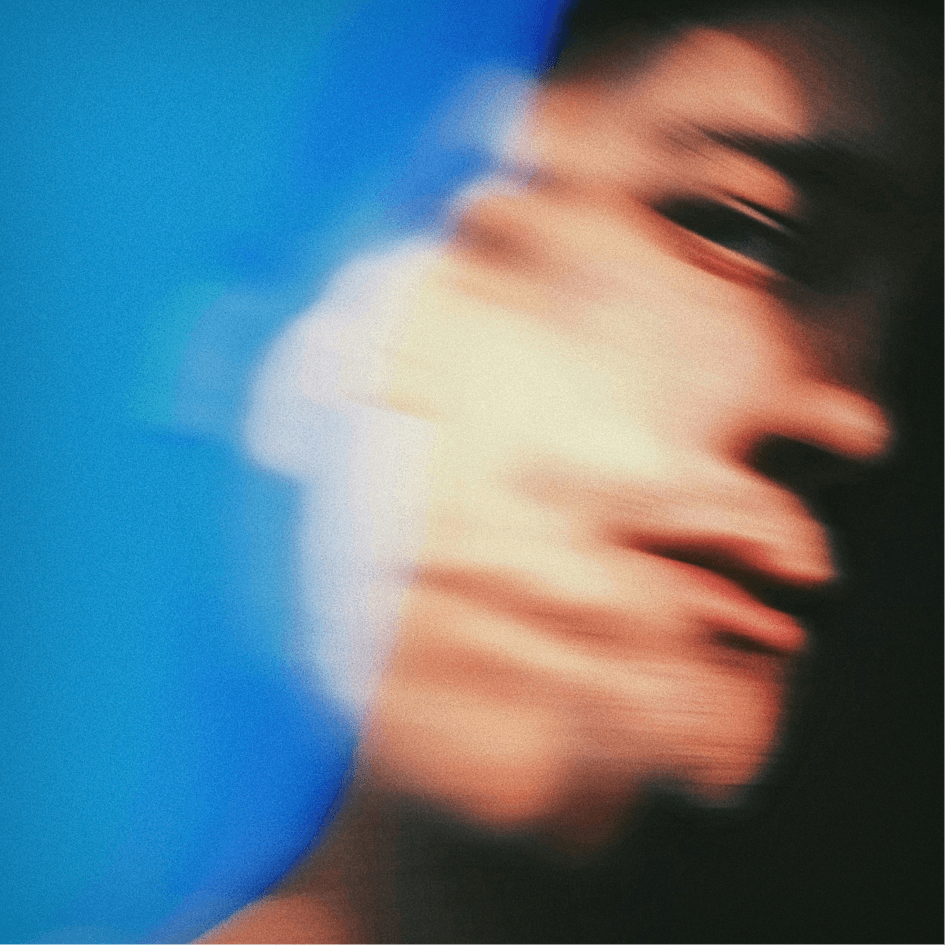
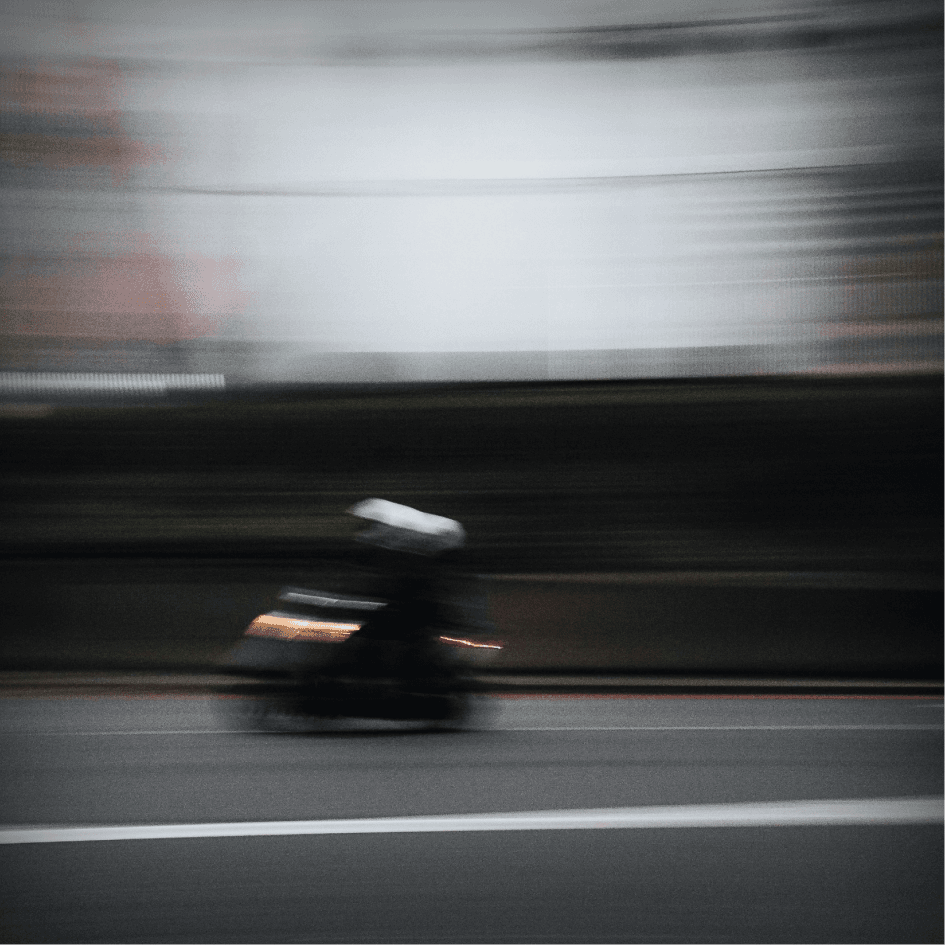
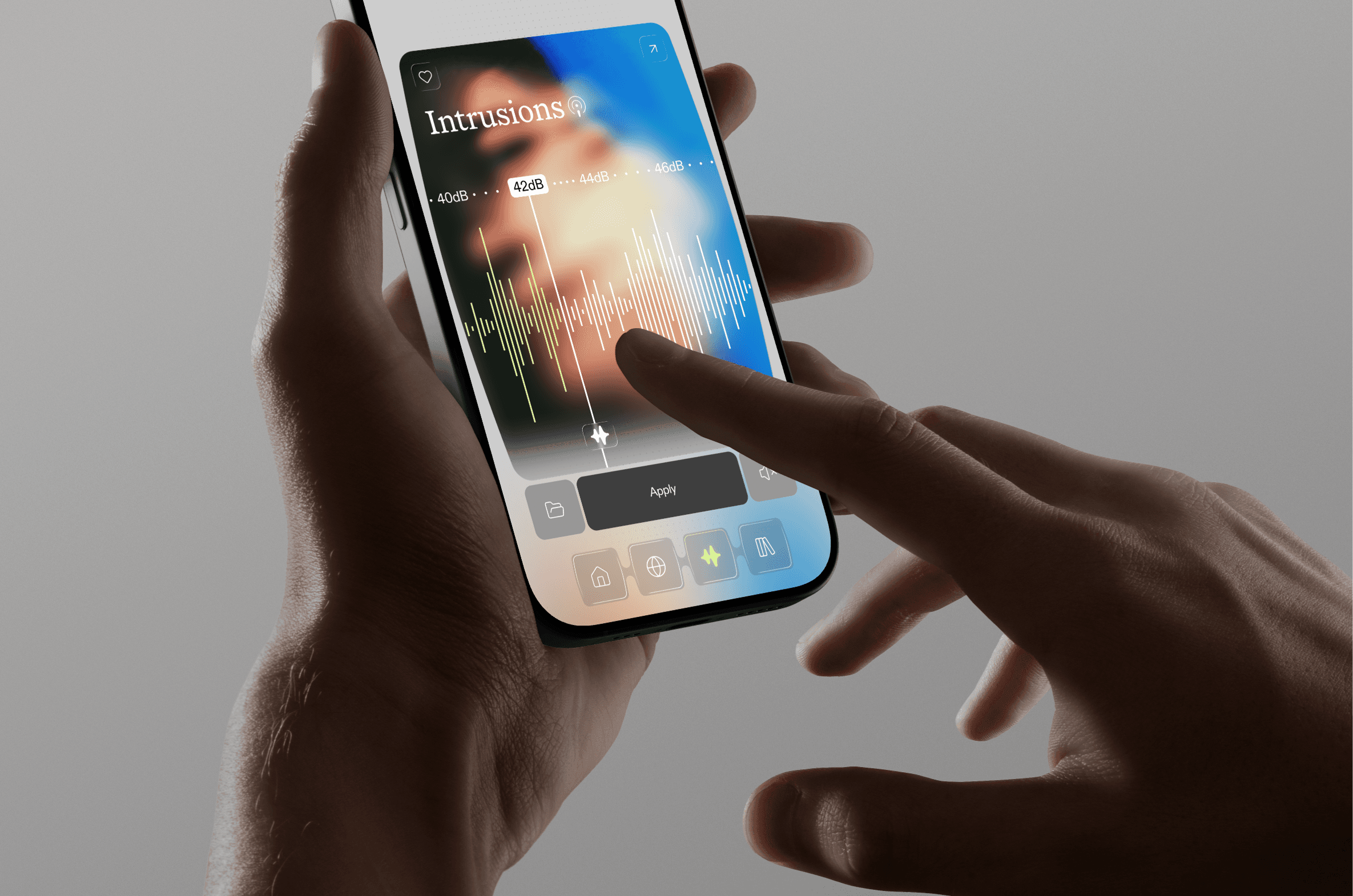
The experience is built around five environmental categories: Transport, Human Activity, Urban Noise, Nature, and Intrusions. Together, these layers provide users with a flexible framework for actively shaping how their environment is perceived.
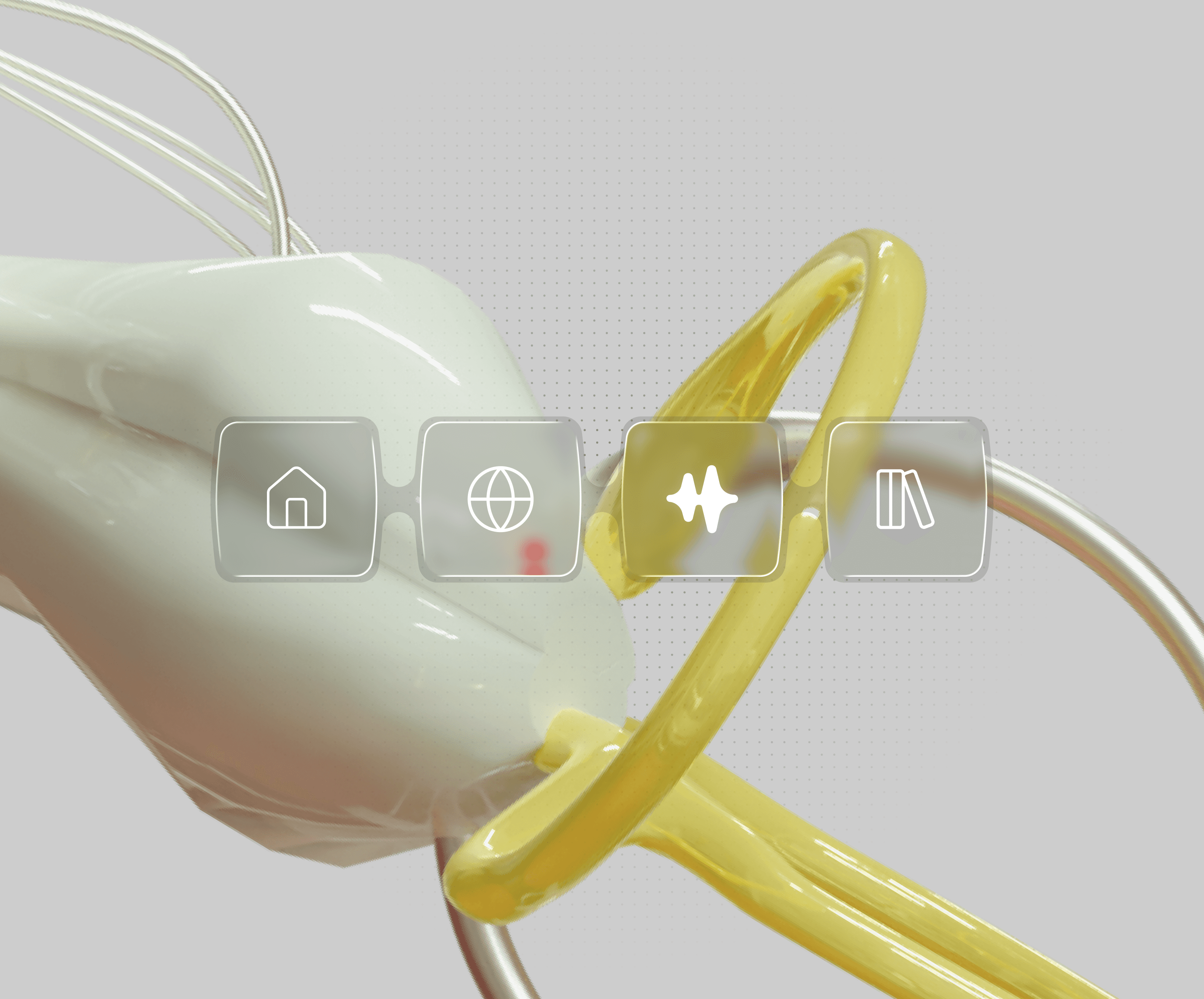
Designed to increase environmental understanding, the Awareness screen provides a real-time breakdown of the user's surroundings.
Environmental information is translated into clear, accessible insights, helping users understand which sound layers currently shape their experience.
The Filter screen allows users to directly adjust how different environmental layers are perceived.
Each category can be independently enhanced, reduced, or balanced to create a customized listening experience tailored to specific situations and personal preferences.
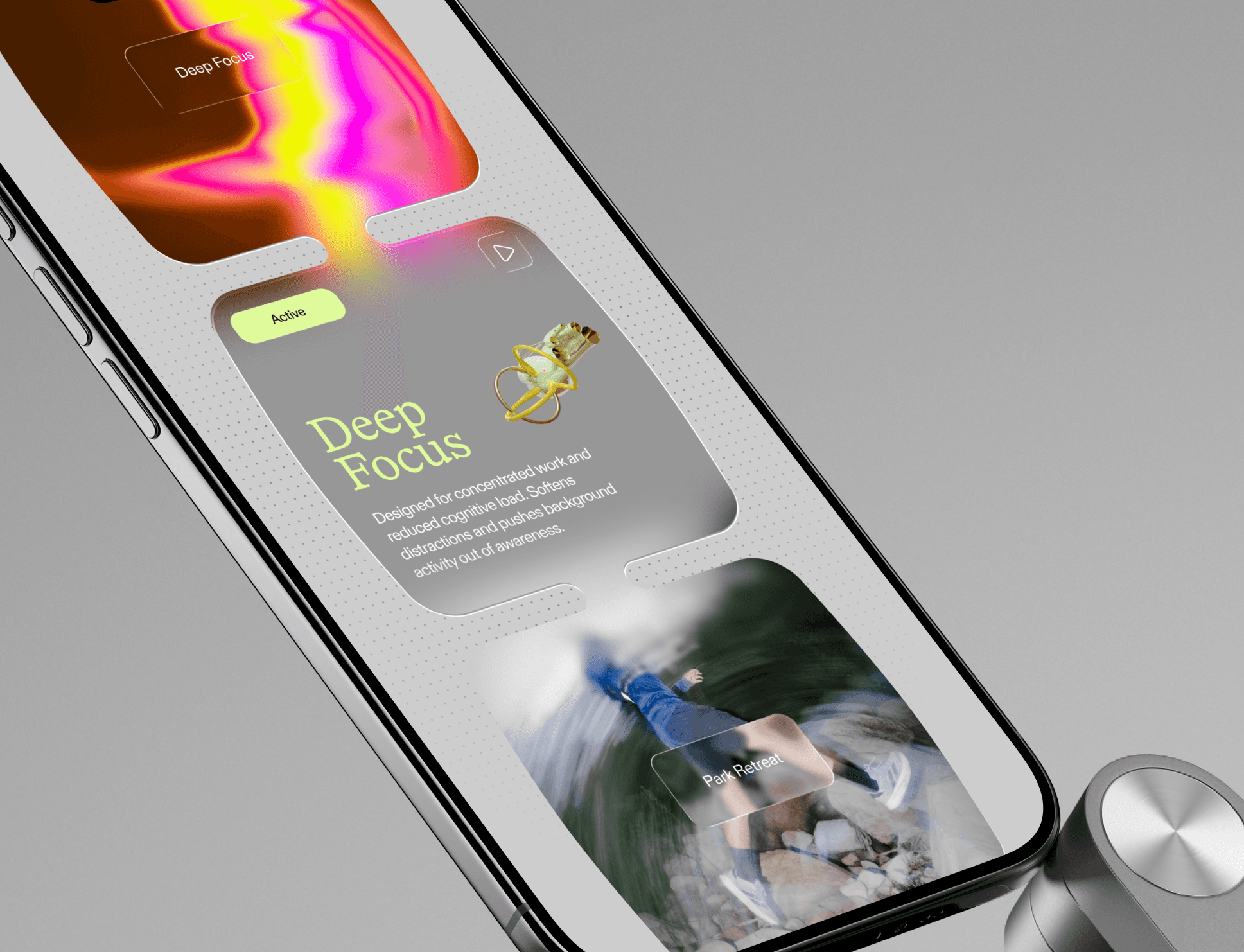
Modes provide quick access to predefined listening experiences.
Users can activate, edit, and create custom presets that reflect different activities, moods, and environments without manually adjusting individual sound layers each time.
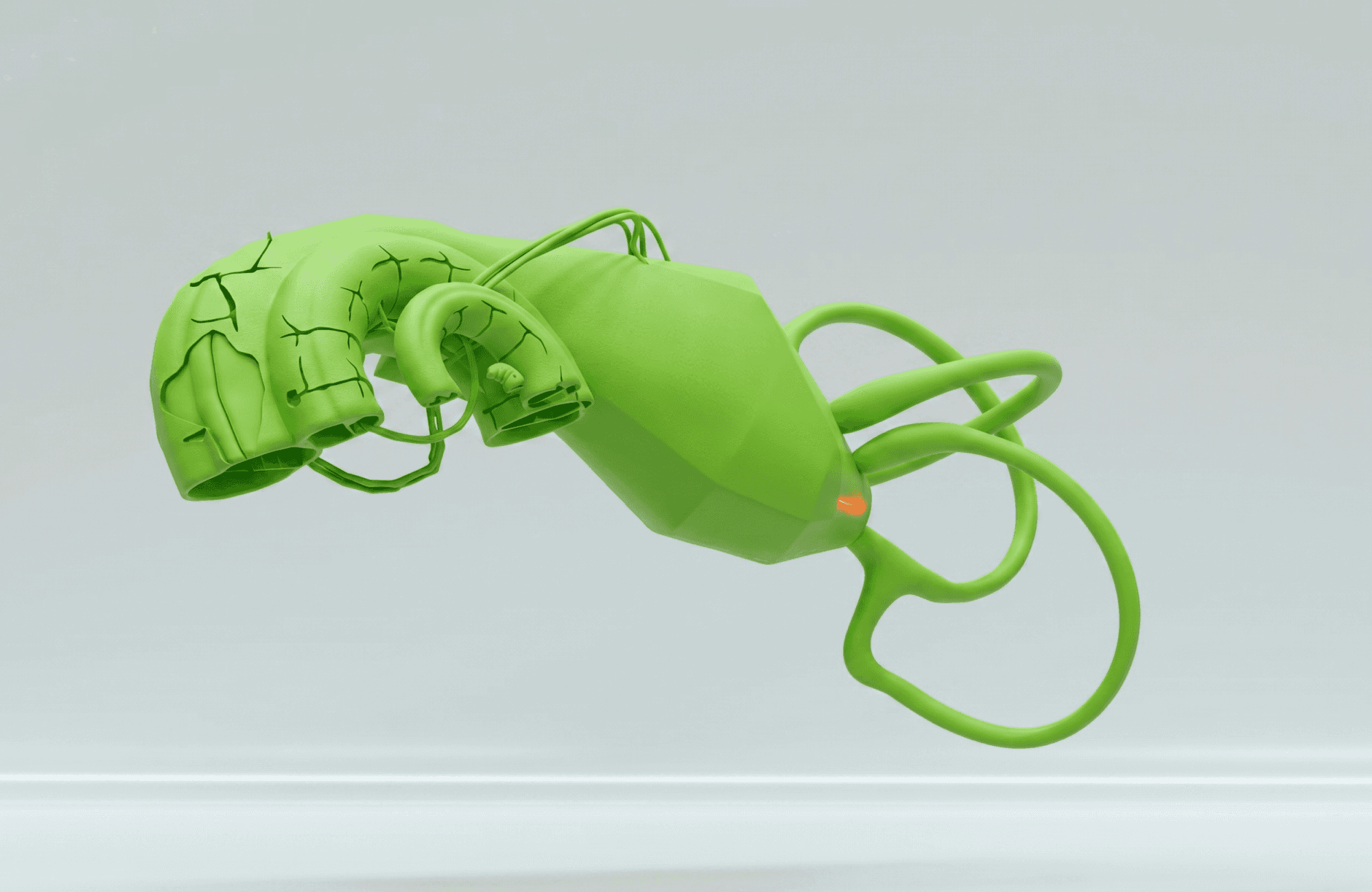
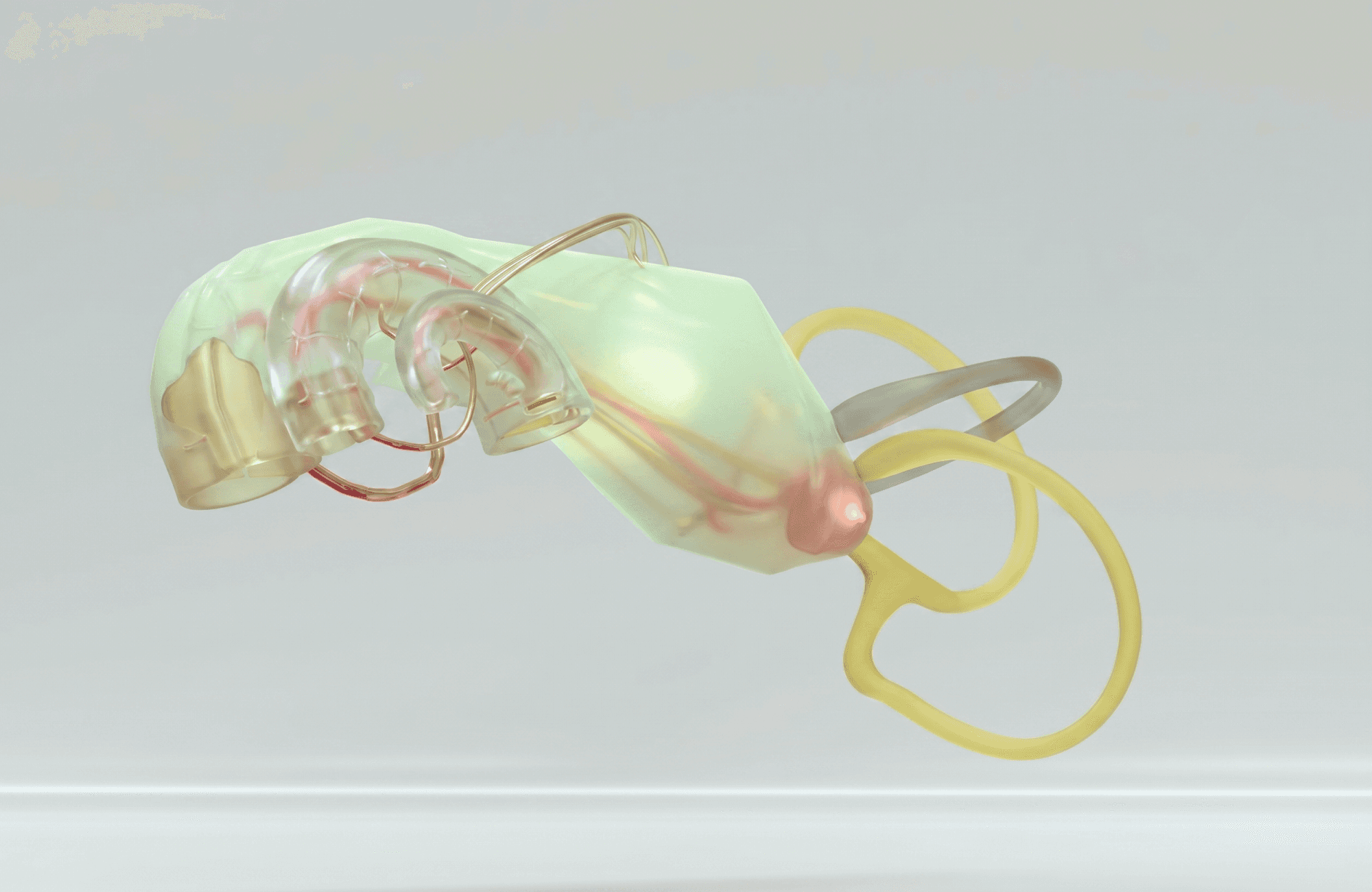
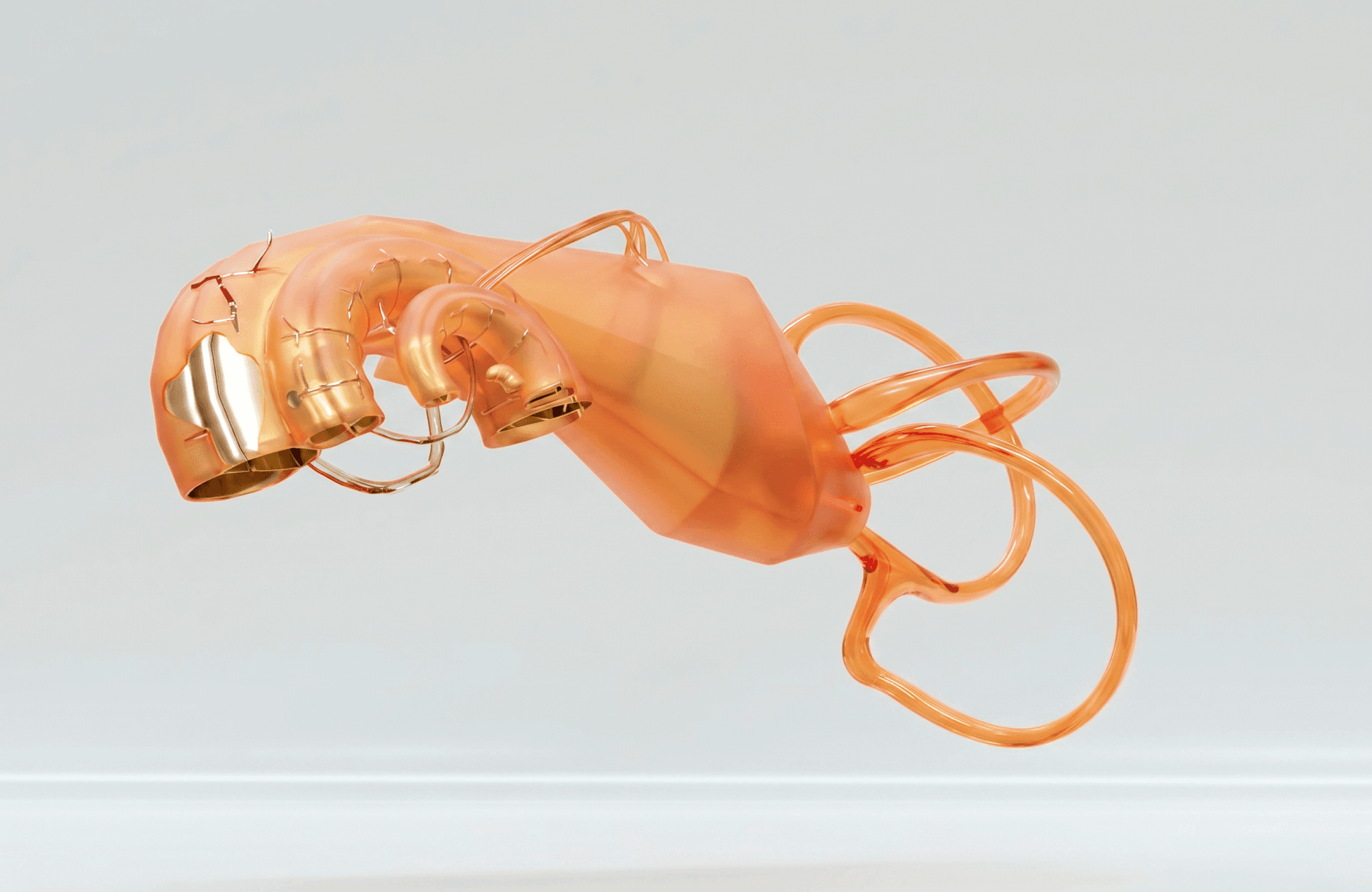
The device was intentionally designed as a single earpiece rather than a conventional pair — creating a more distinctive silhouette and reinforcing the idea of the object as a speculative wearable rather than a traditional audio product.Its form language draws from biomimicry and the anatomy of the inner ear, resulting in a futuristic, bioform structure that feels positioned between consumer technology and wearable object.
Because the project was not constrained by real-world manufacturing or ergonomic limitations, the design process focused less on practicality and more on visual experimentation, perception, and object identity.
A key goal throughout the project was to avoid the visual clichés often associated with futuristic hardware — creating something unfamiliar, intentional, and non-generic.


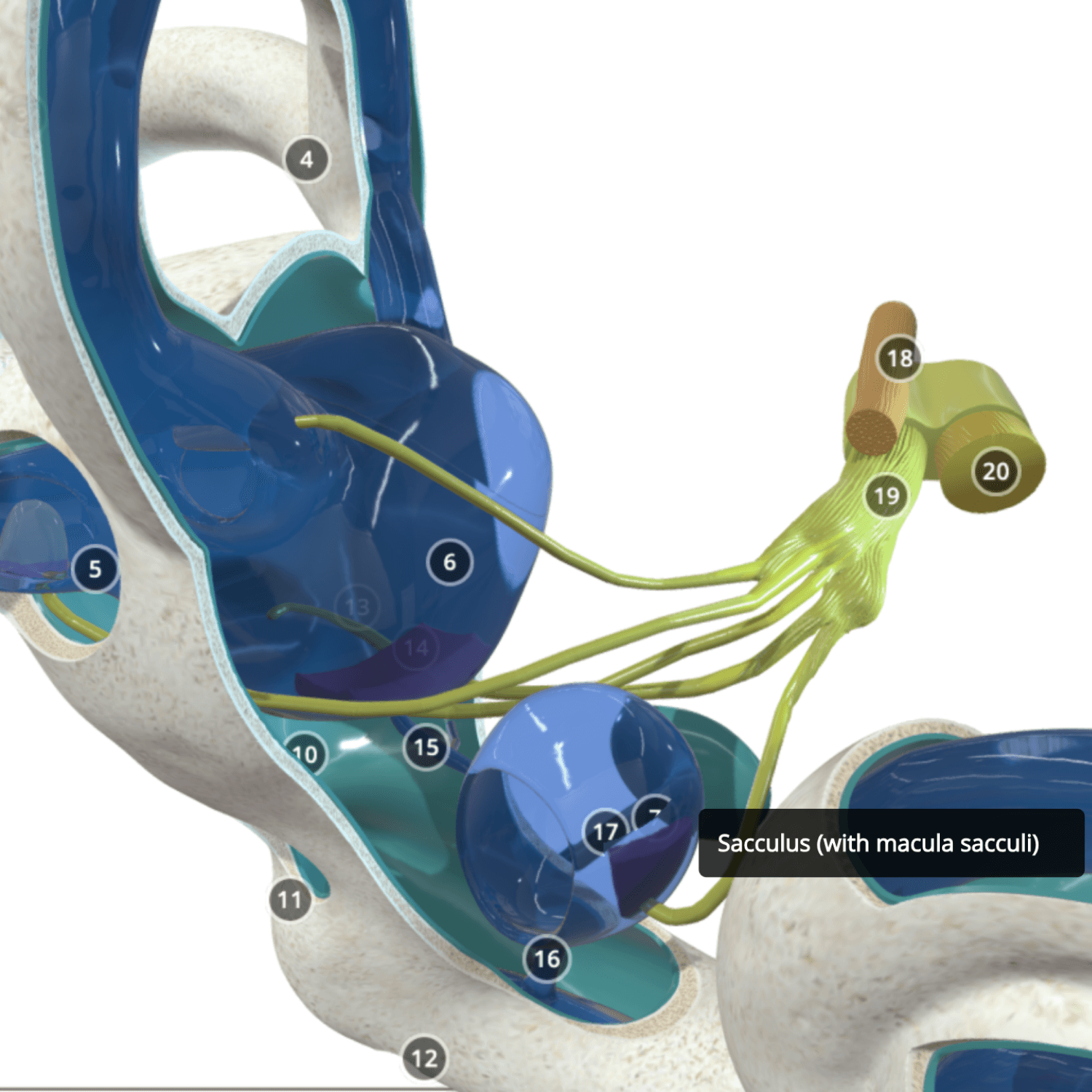
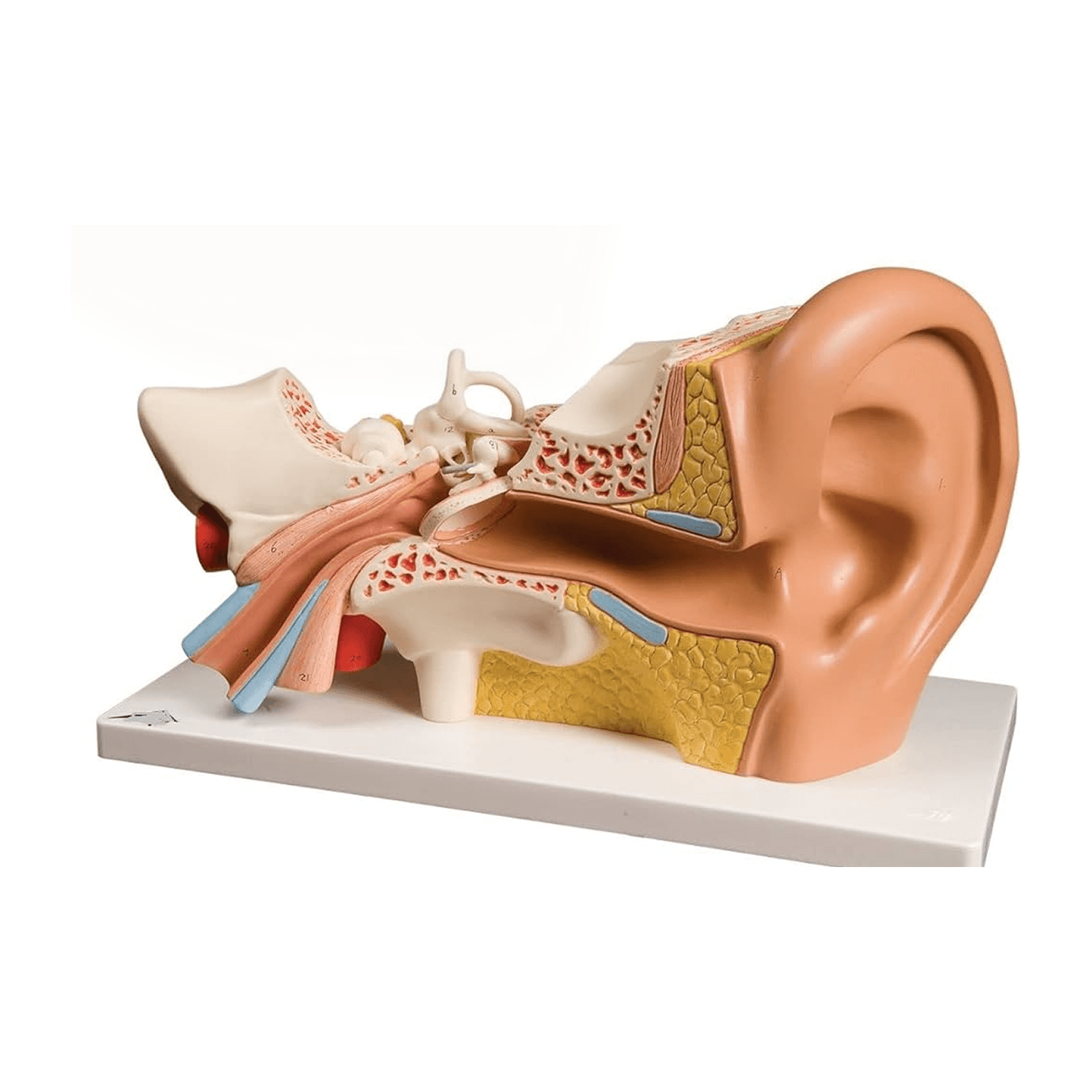
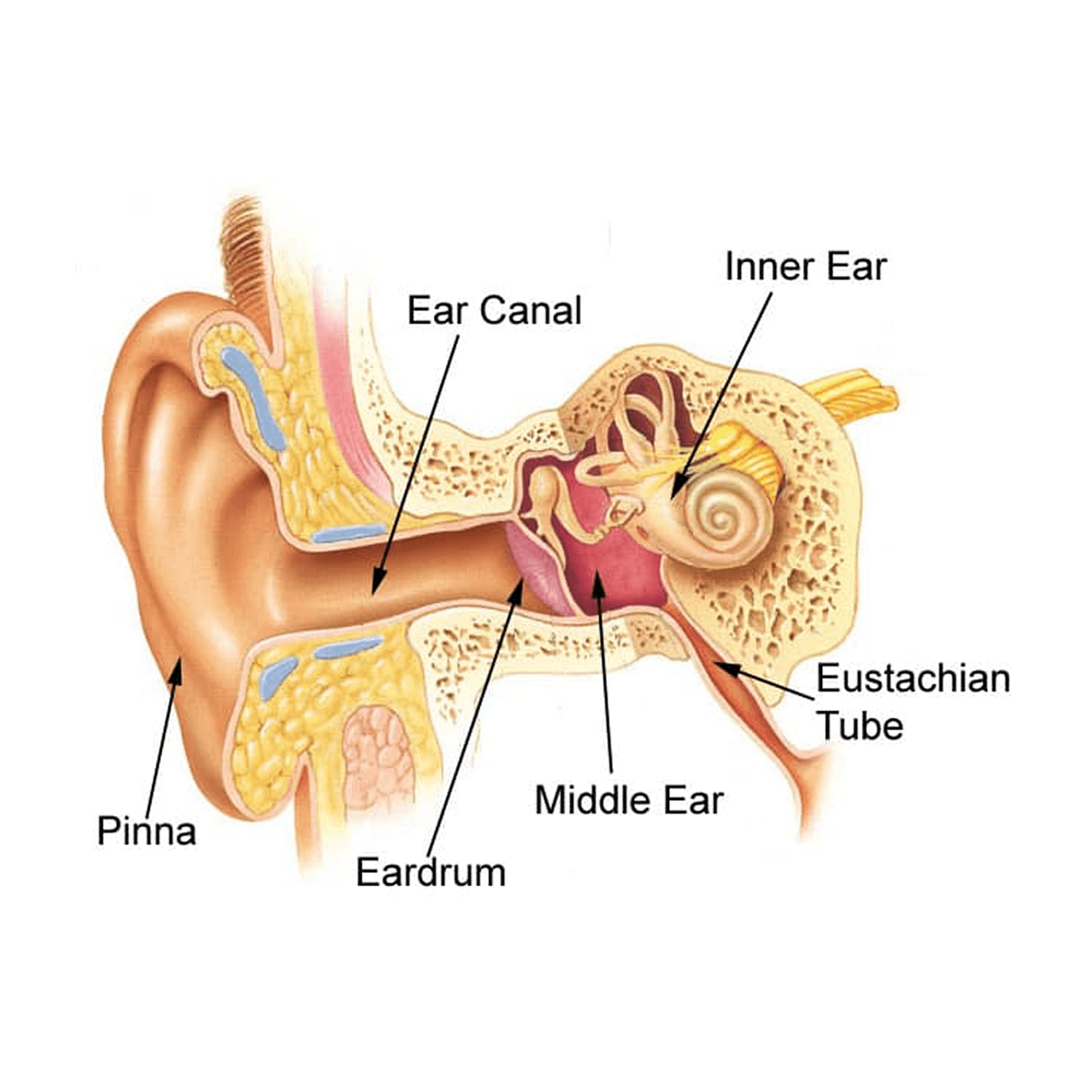


The earpiece was fully modeled in Blender, with the entire exploration process taking place directly in 3D - from early form experimentation to final renders.
Rather than sketching traditionally, the project evolved through iterative modeling, allowing form, proportion, and silhouette to be explored in real time throughout the design process.
3D studies exploring form, scale, and ergonomics.
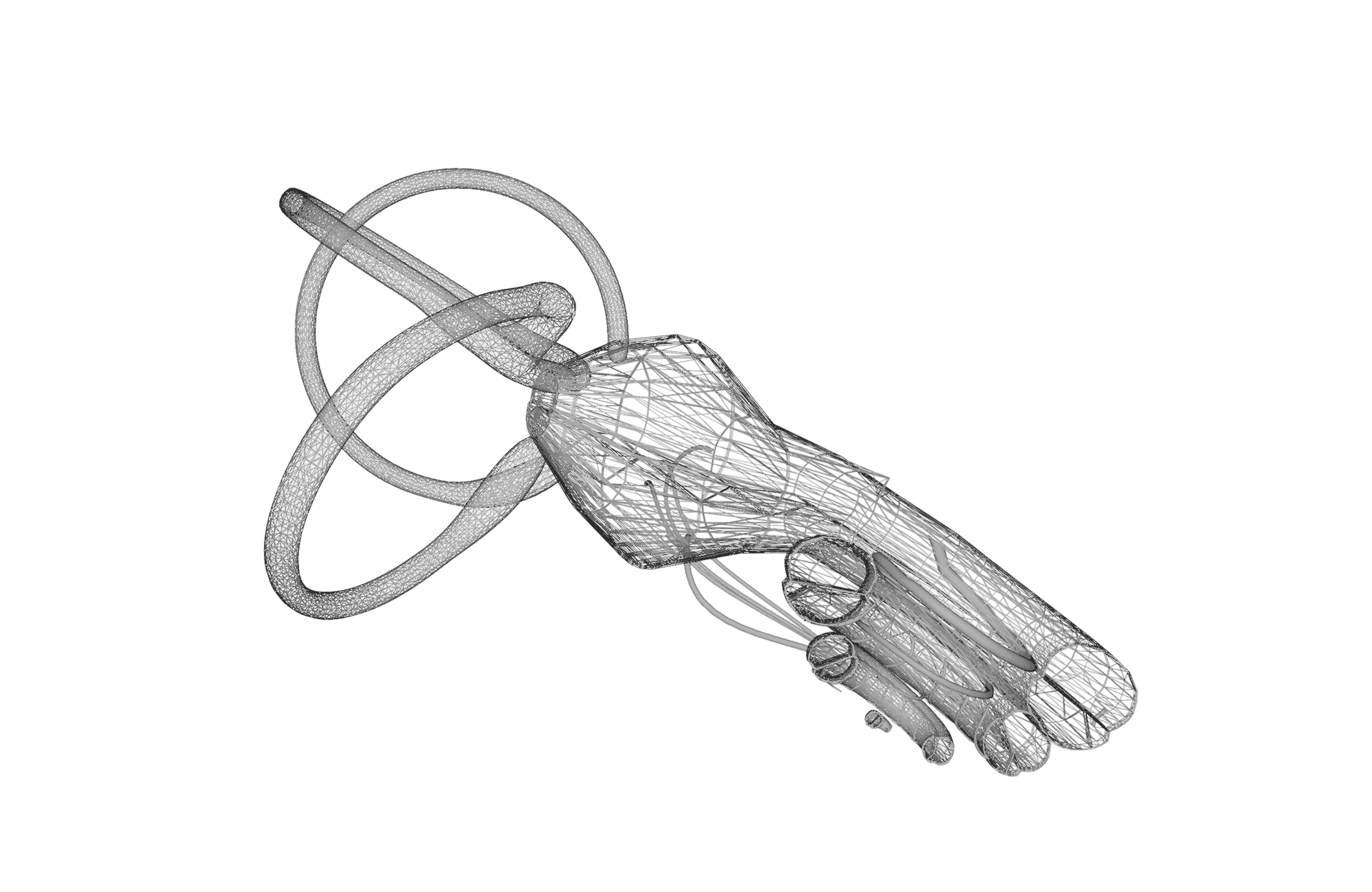
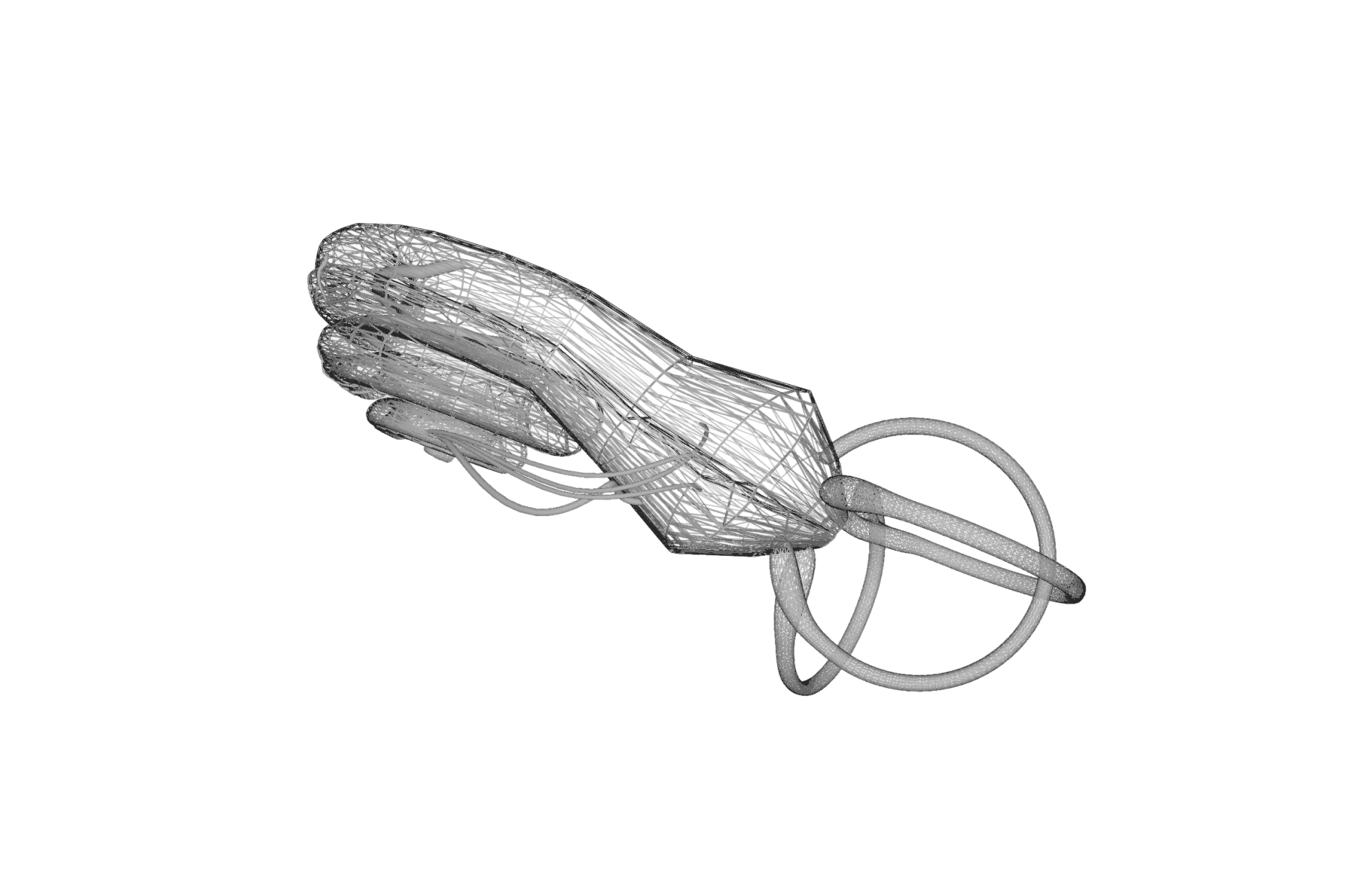
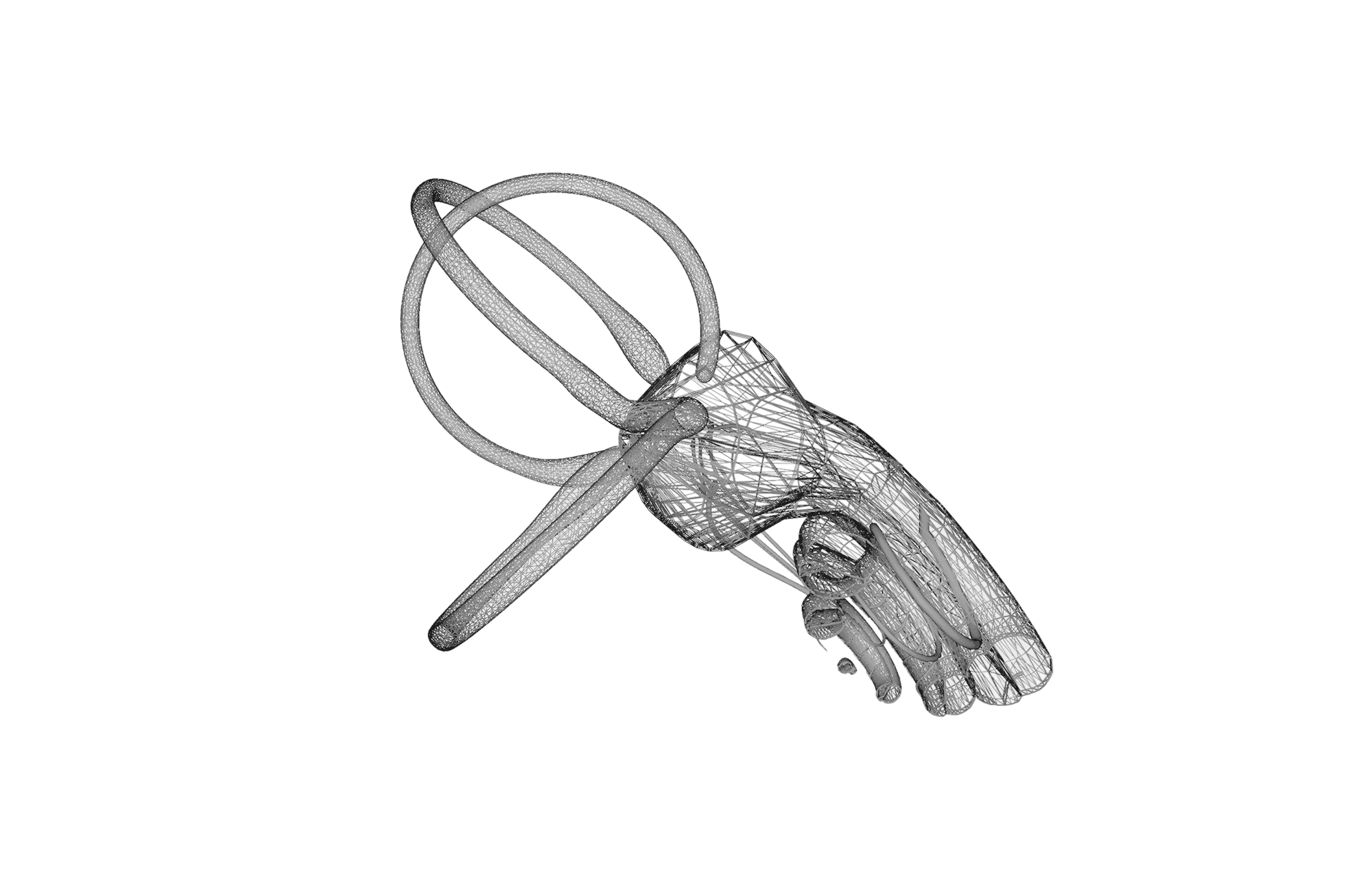
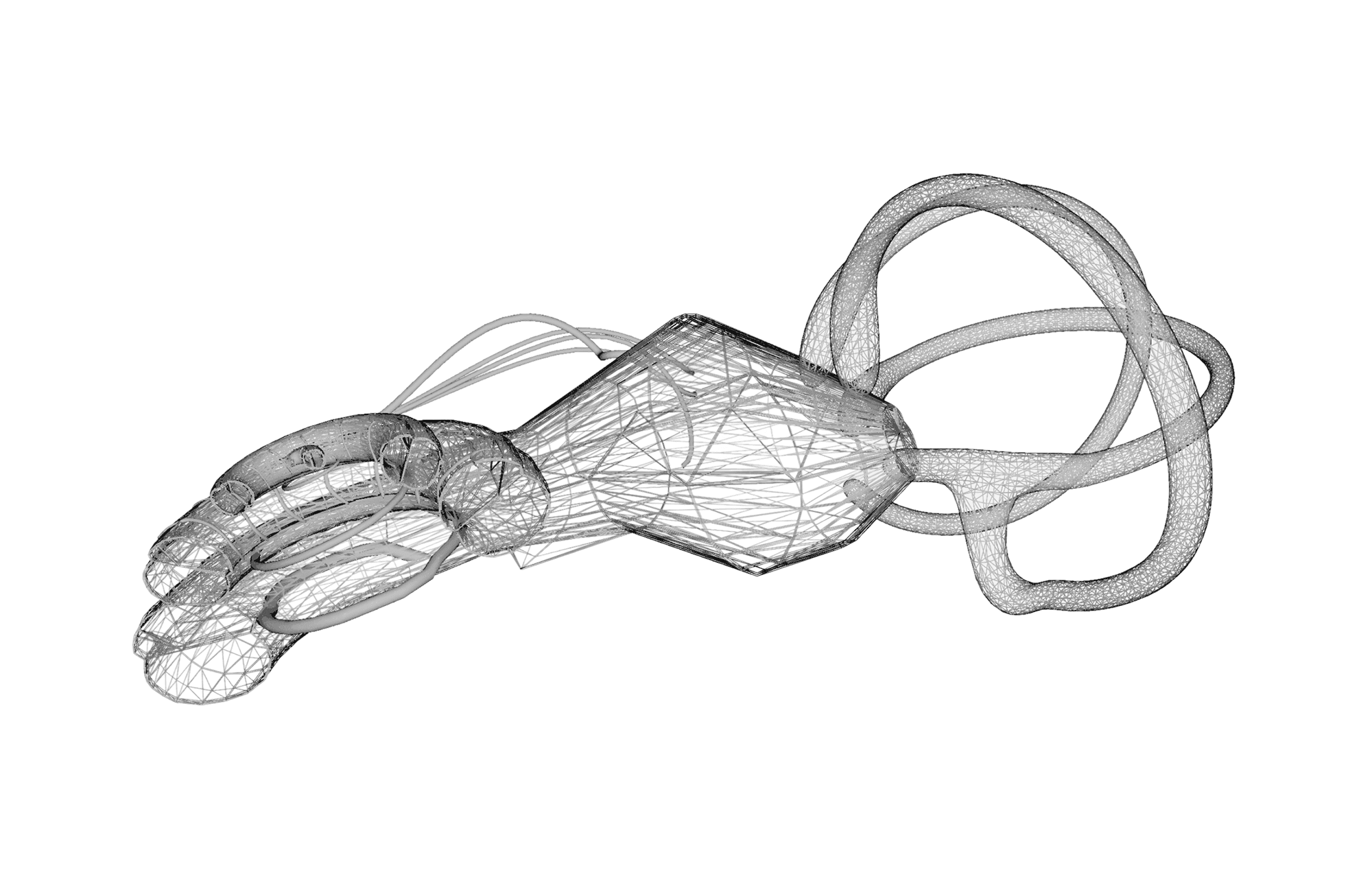
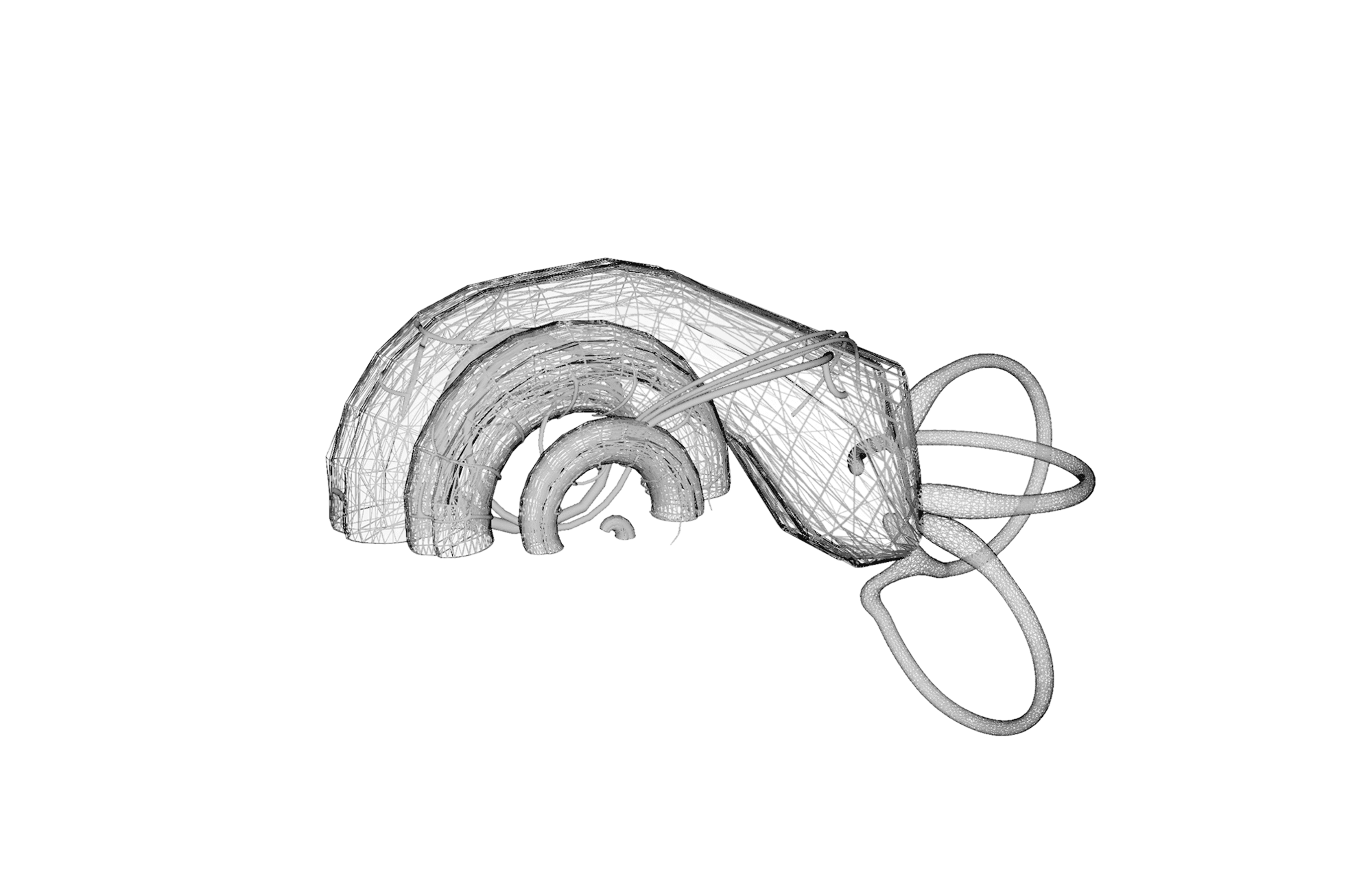
Refined renders showcasing the final form, proportions, and material exploration.


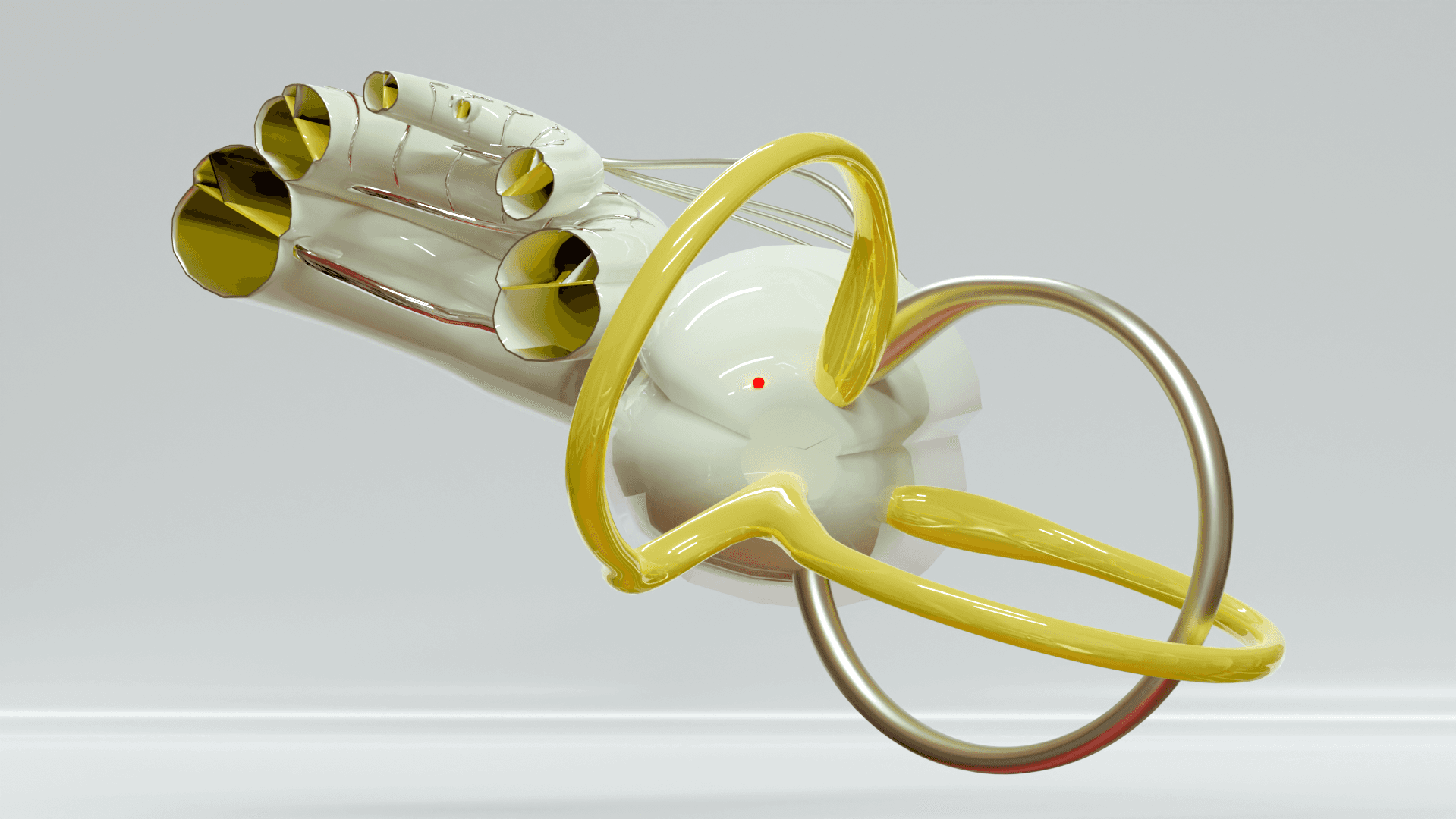

AI tools were introduced later as part of the visual prototyping workflow — primarily for material and color exploration, charging dock variations, atmospheric imagery, and motion-based outputs.
The project intentionally used AI as a production and exploration tool rather than a conceptual shortcut, keeping the core product thinking and form development grounded in manual design decisions.
Refined renders showcasing the final form, proportions, and material exploration.
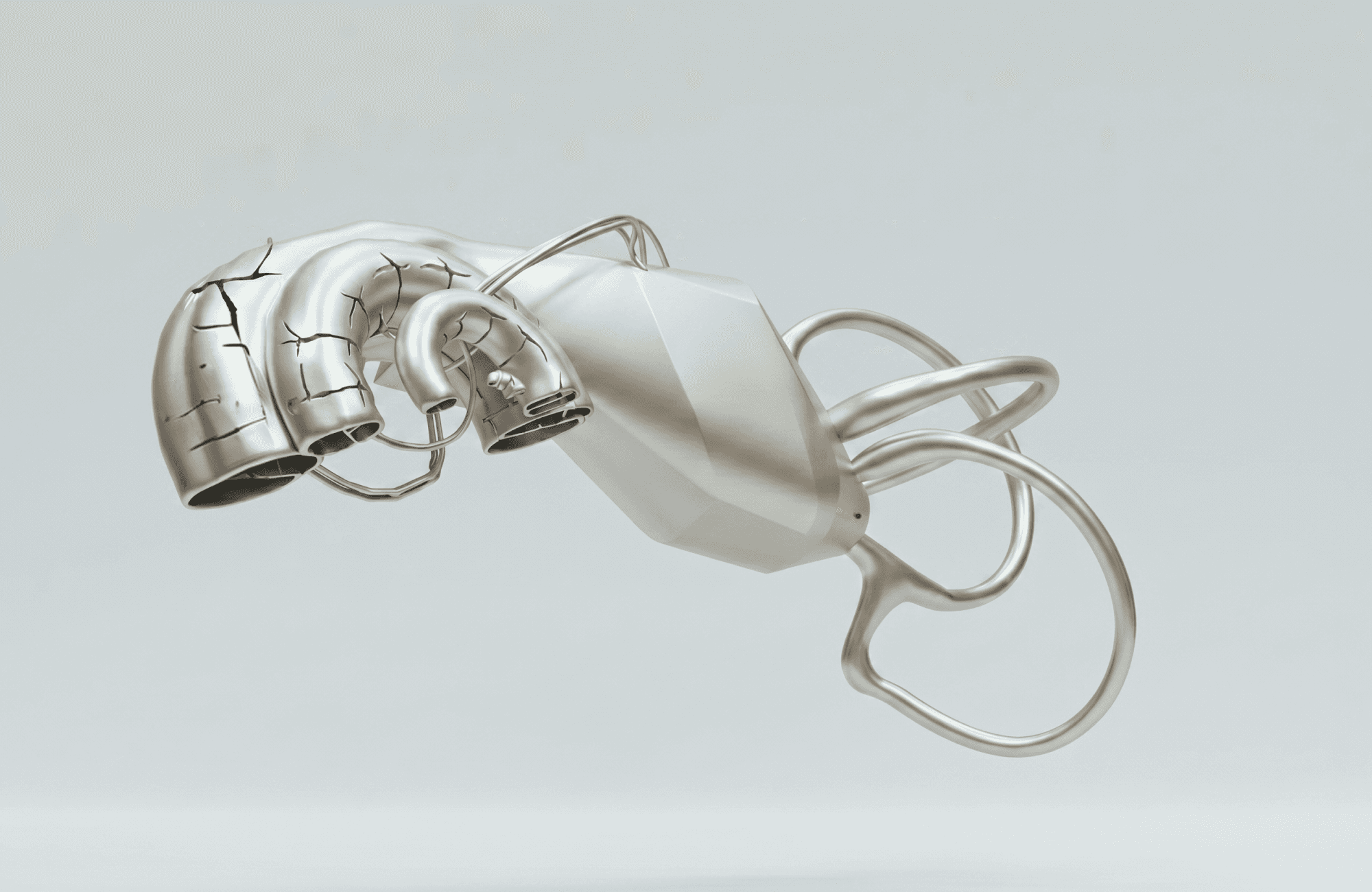
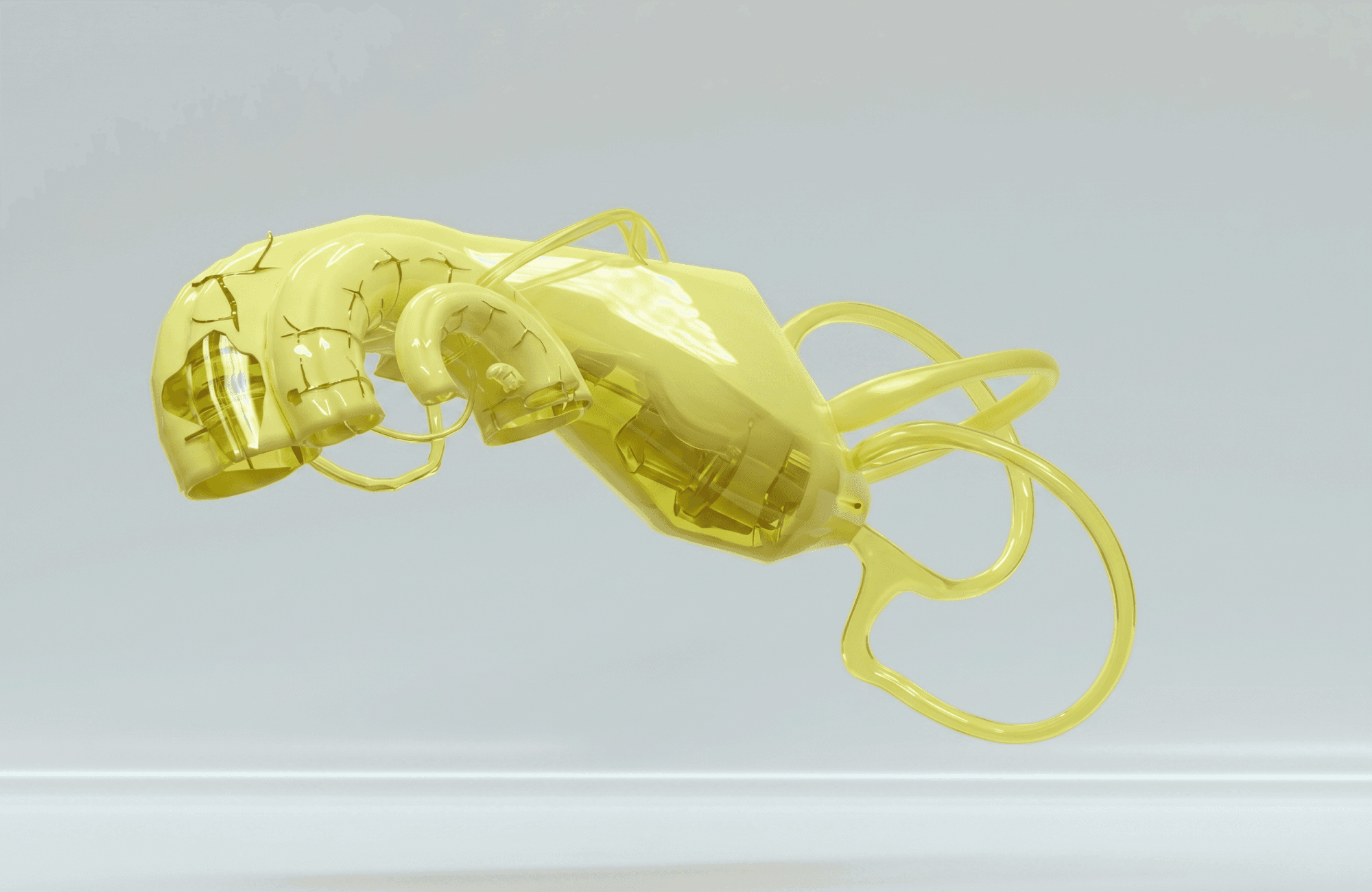
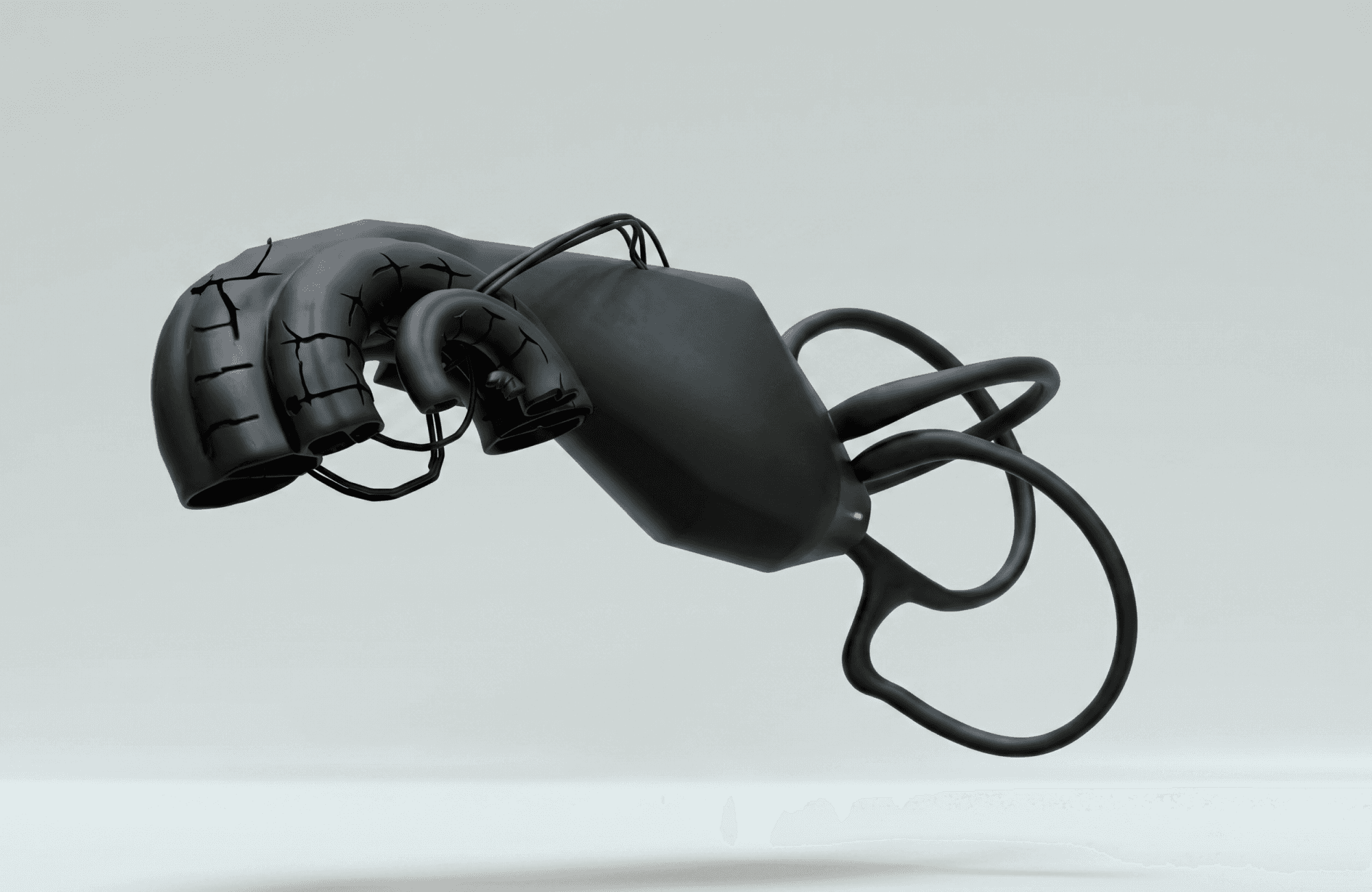
Charging pod designs generated entirely with Nano Banana to explore form, functionality, and aesthetic direction.


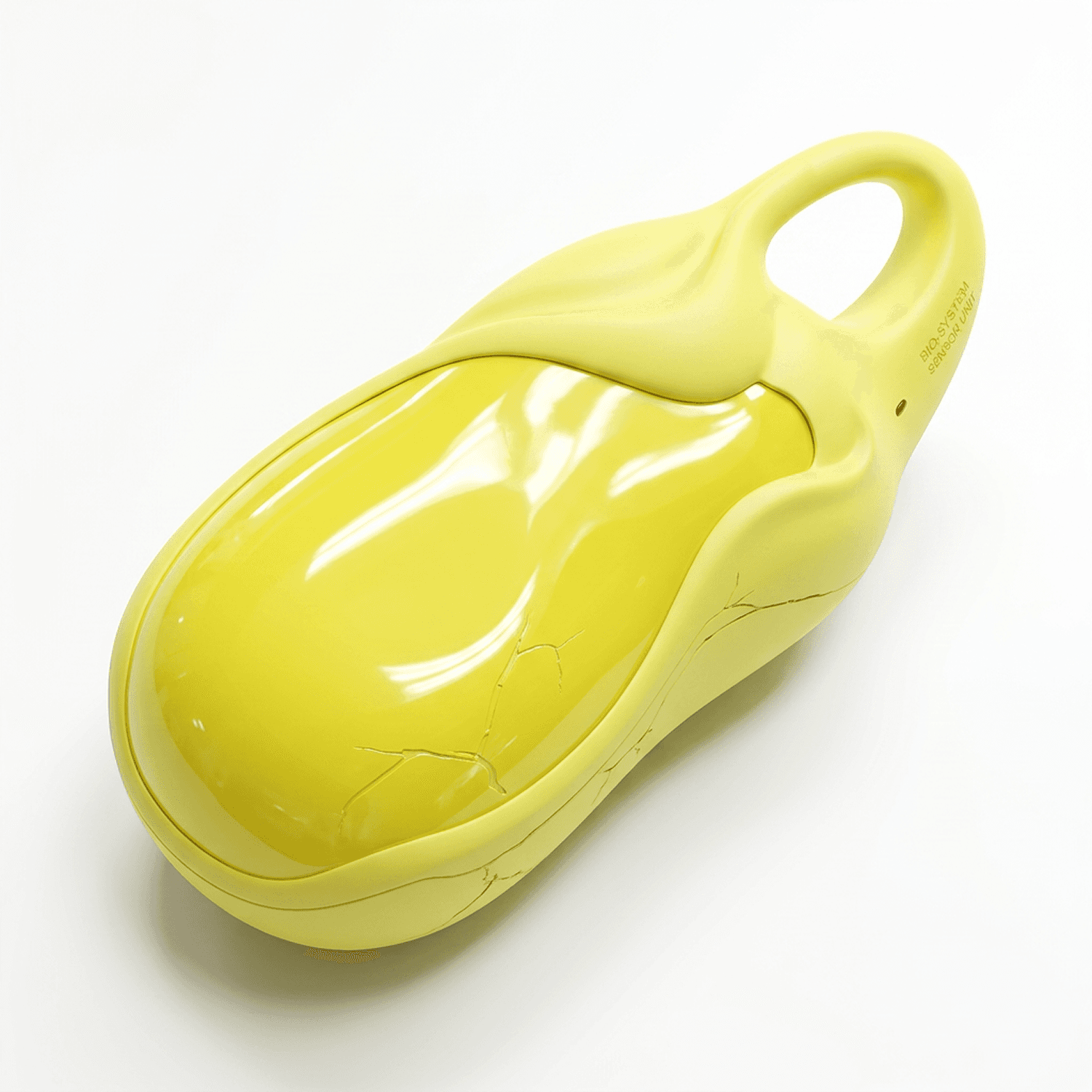

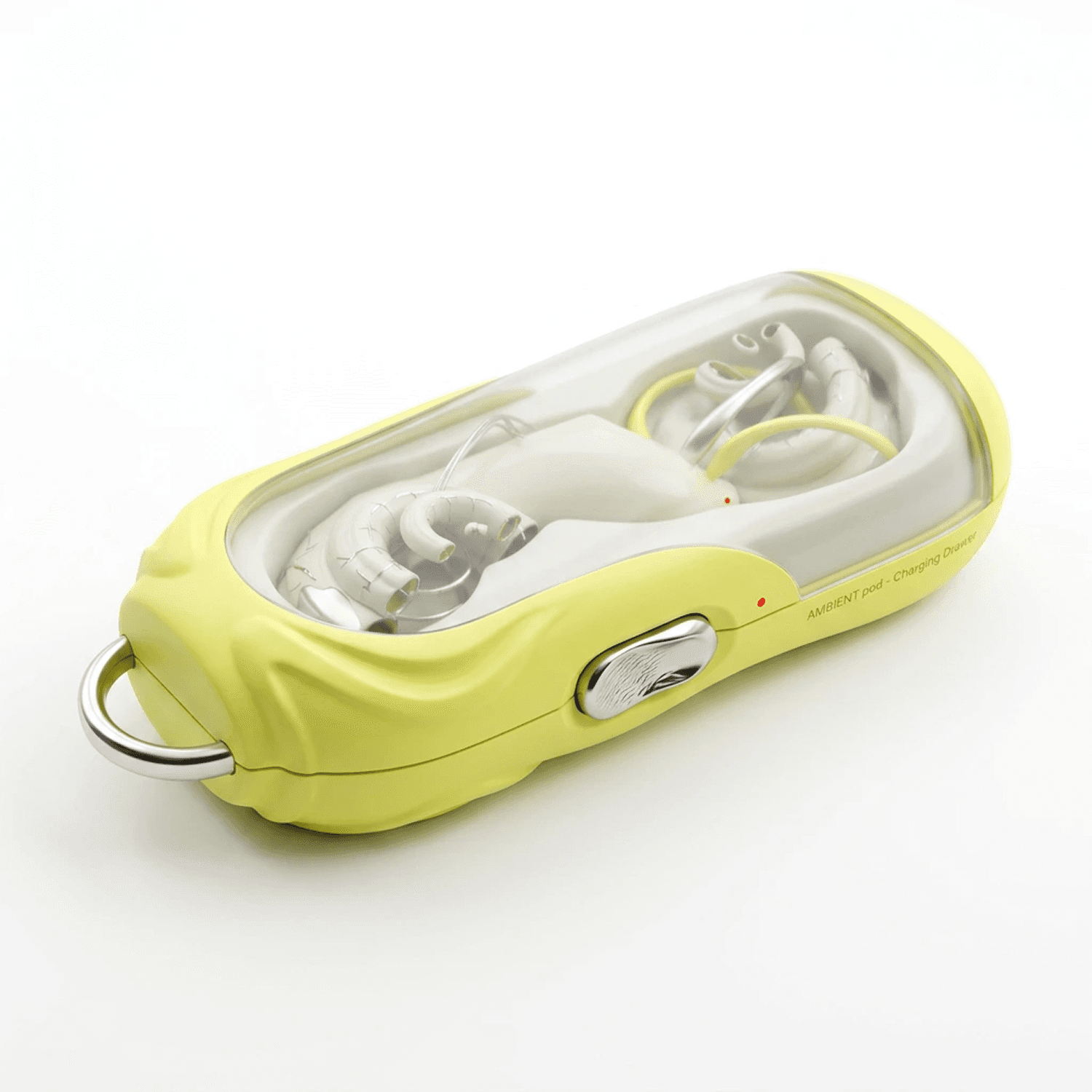
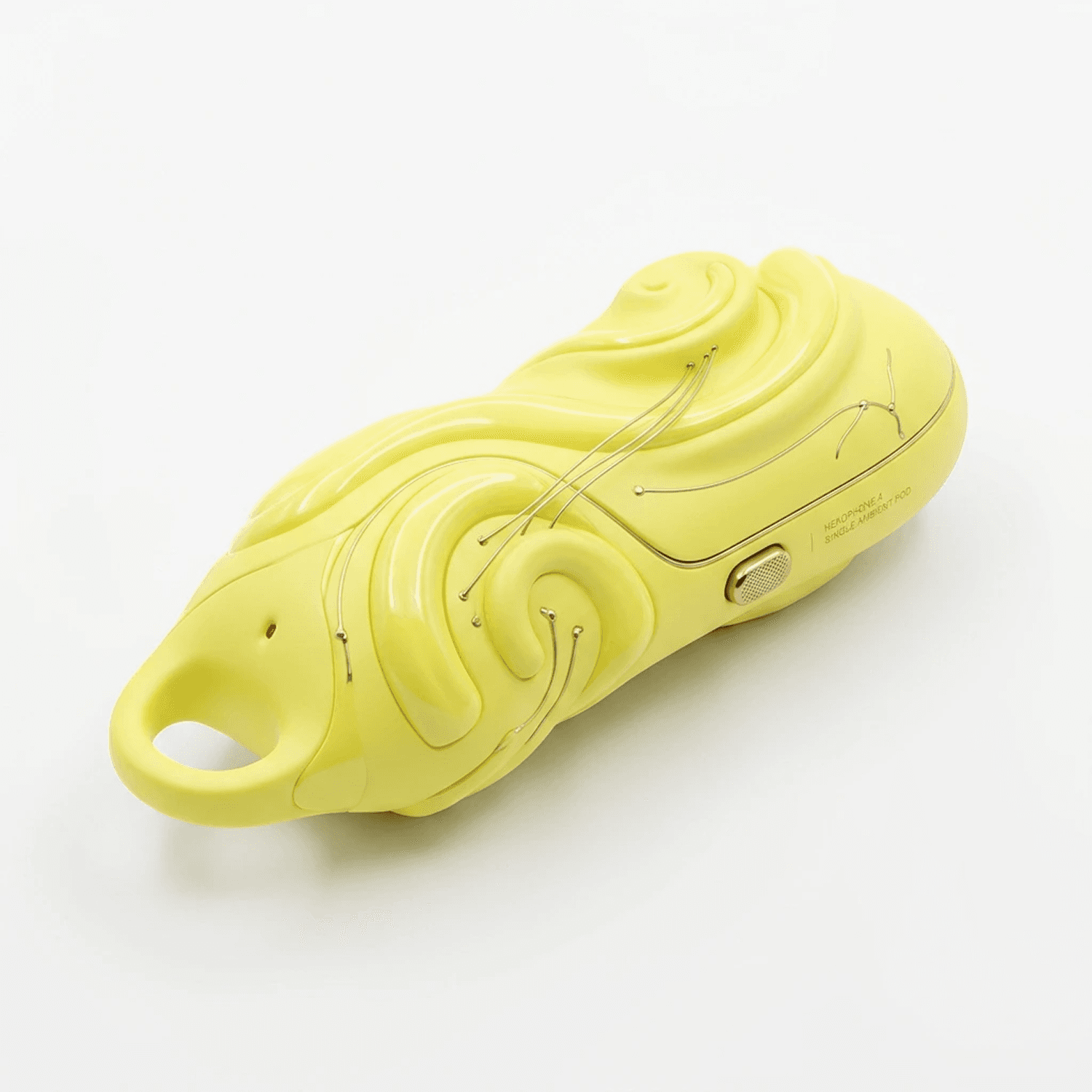

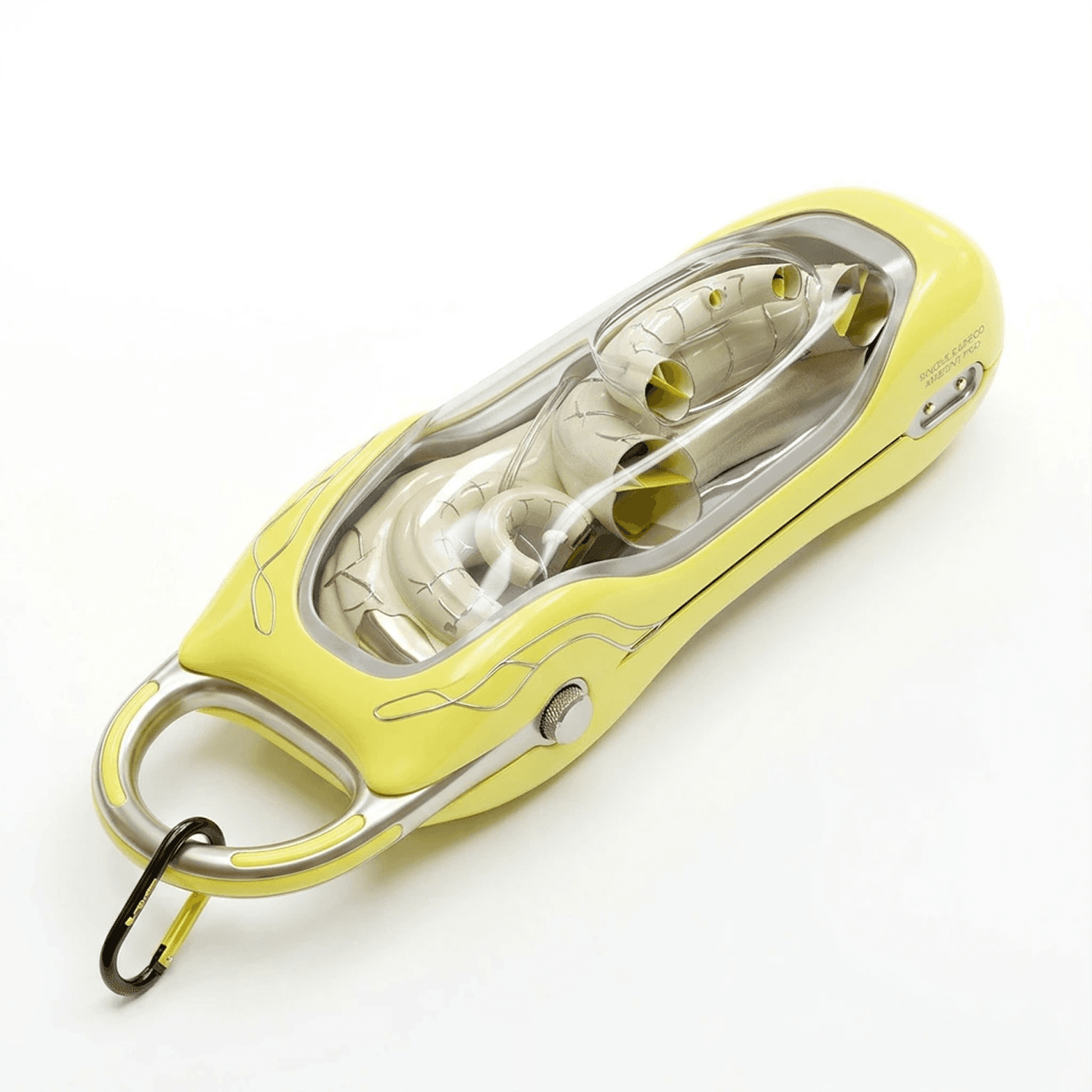


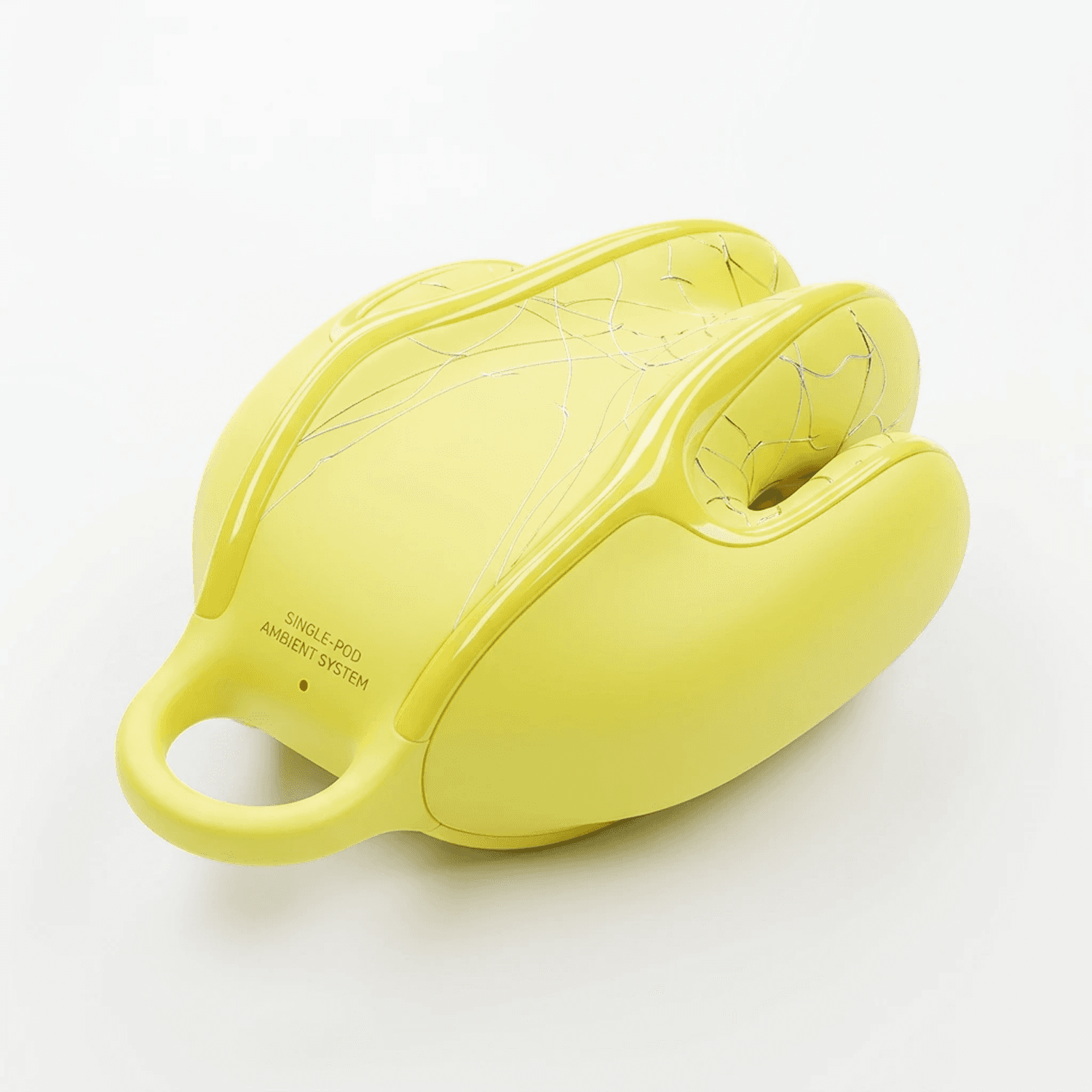
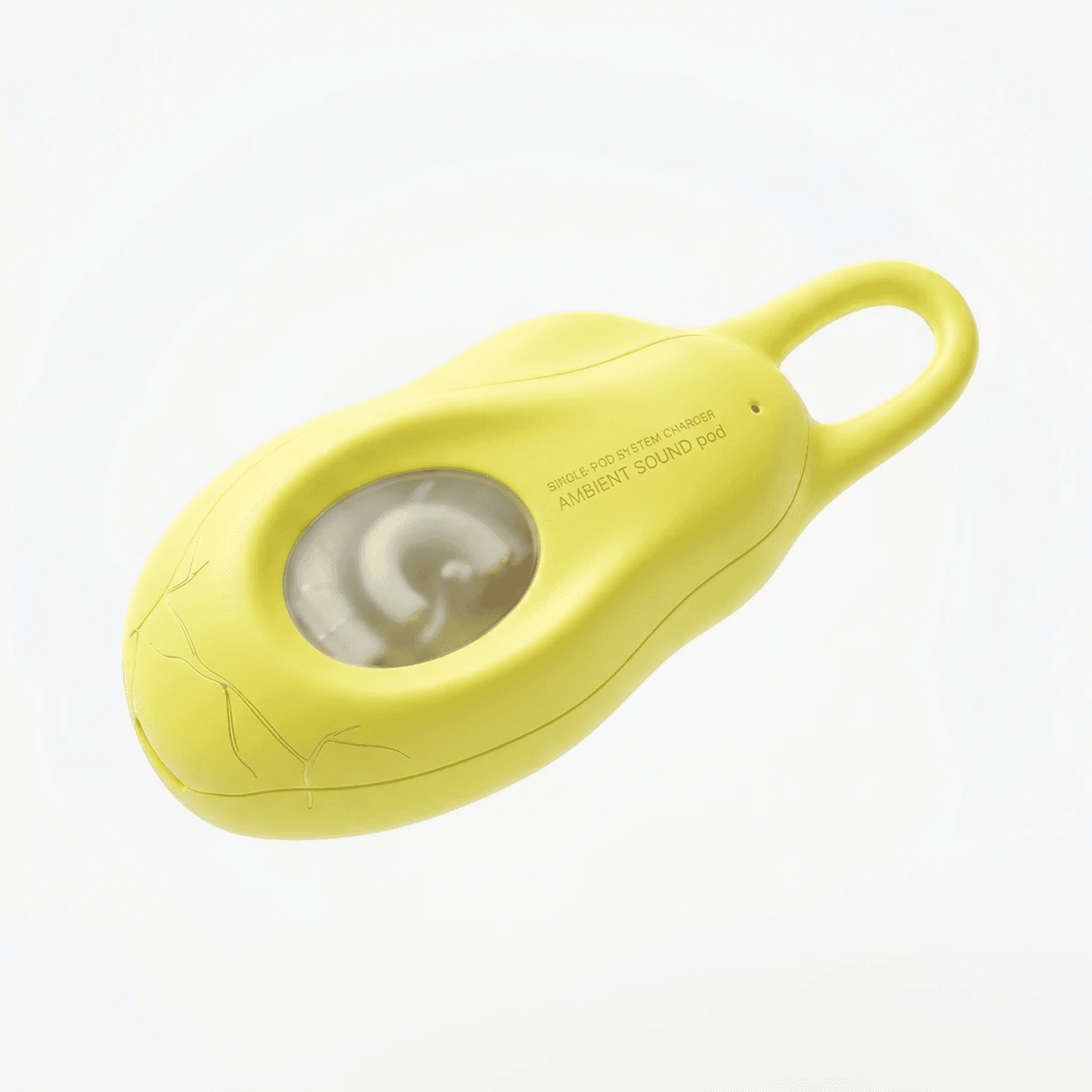
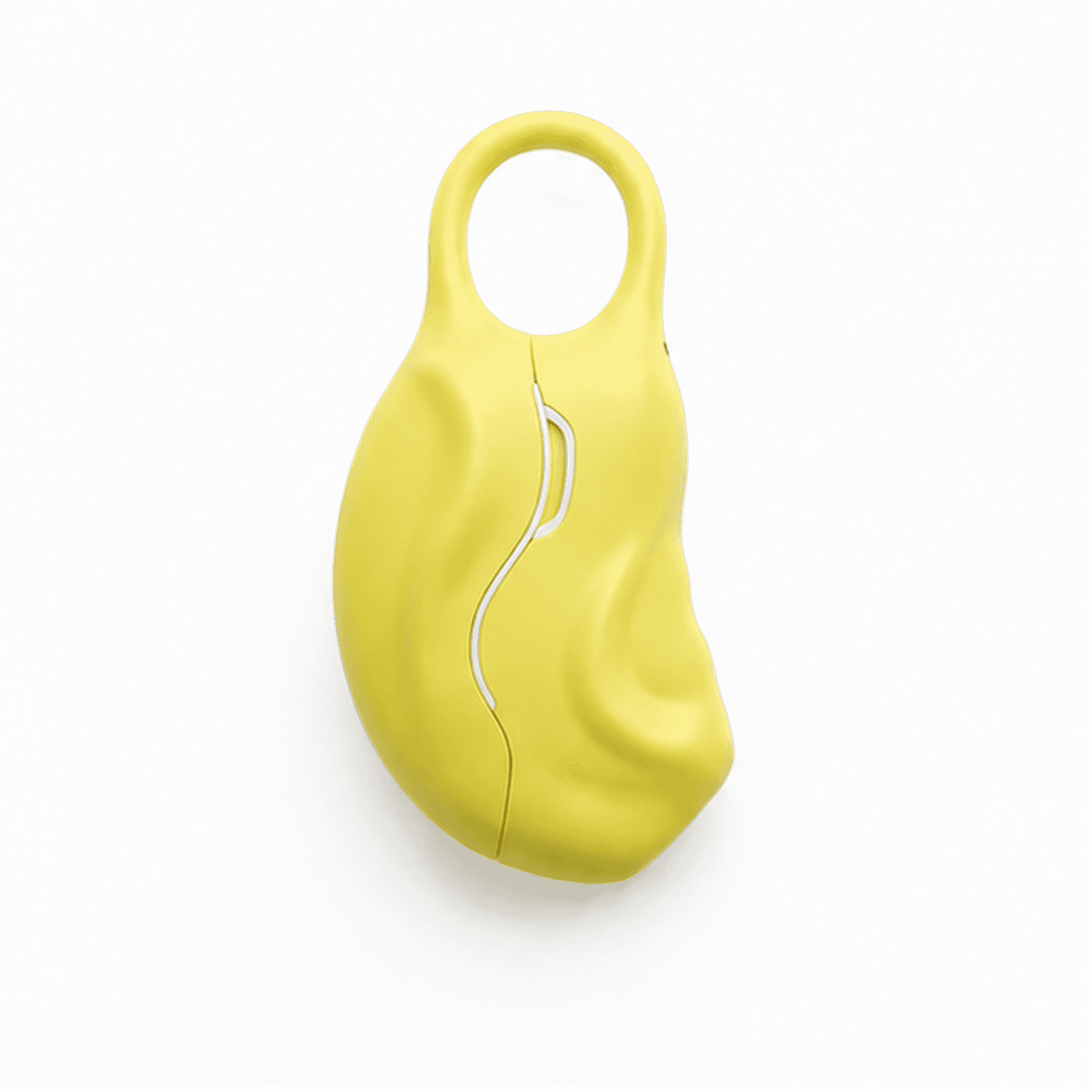
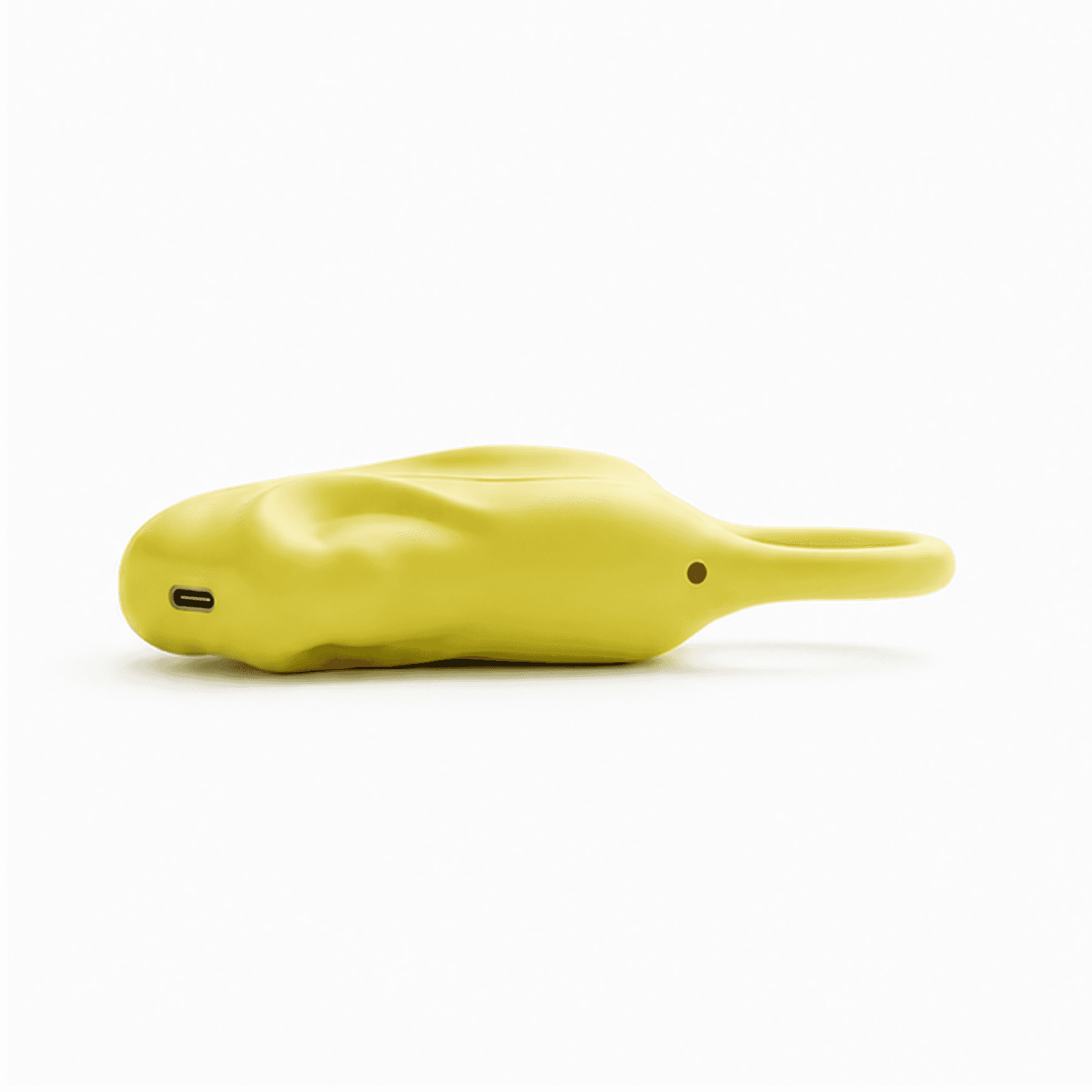
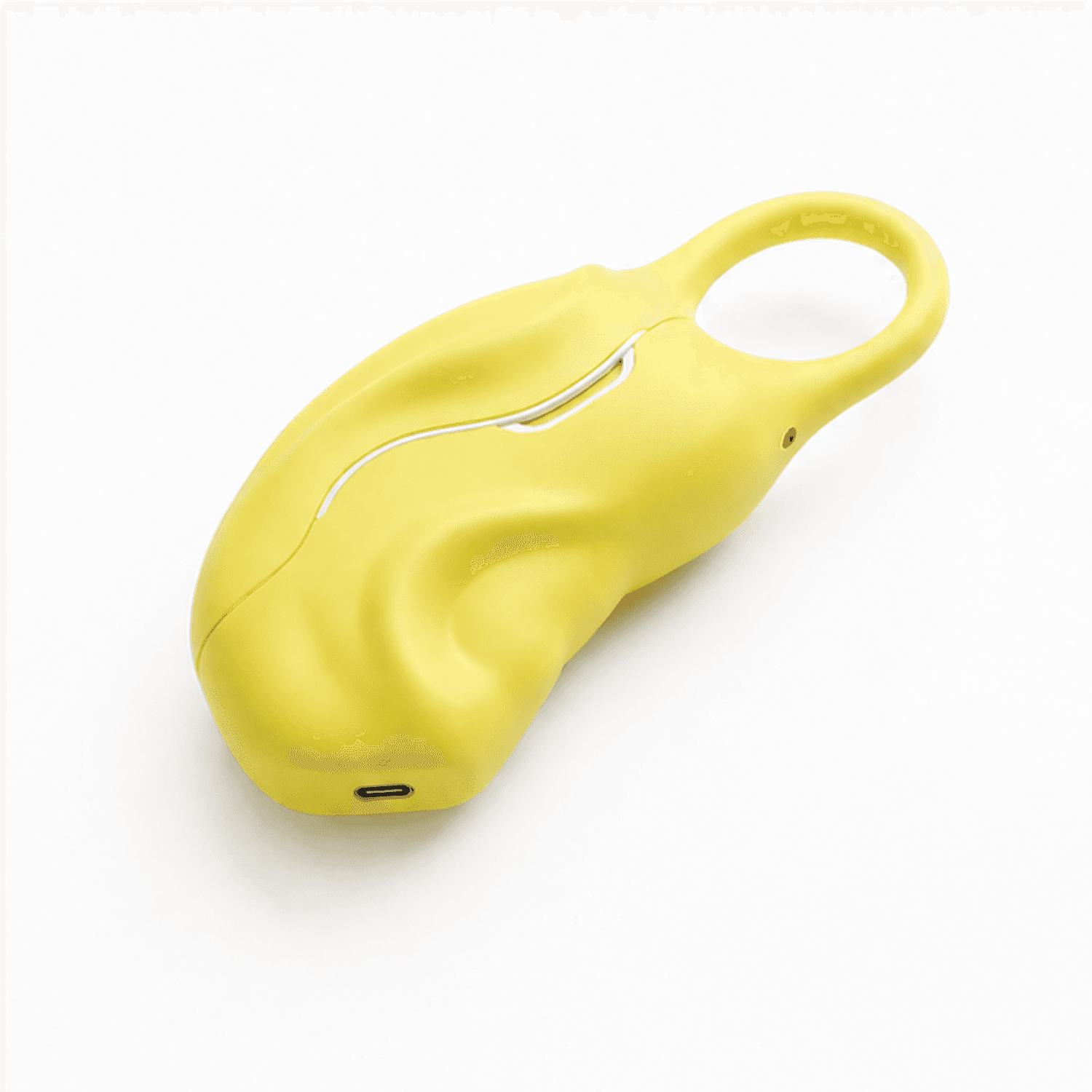
The chosen design was expanded into four consistent product views using Nano Banana and ChatGPT.

Designed to increase environmental understanding, the Awareness screen provides a real-time breakdown of the user's surroundings.
Environmental information is translated into clear, accessible insights, helping users understand which sound layers currently shape their experience.





The Filter screen allows users to directly adjust how different environmental layers are perceived.
Each category can be independently enhanced, reduced, or balanced to create a customized listening experience tailored to specific situations and personal preferences.
Designed to increase environmental understanding, the Awareness screen provides a real-time breakdown of the user's surroundings.
Environmental information is translated into clear, accessible insights, helping users understand which sound layers currently shape their experience.

The Filter screen allows users to directly adjust how different environmental layers are perceived.
Each category can be independently enhanced, reduced, or balanced to create a customized listening experience tailored to specific situations and personal preferences.

Modes provide quick access to predefined listening experiences.
Users can activate, edit, and create custom presets that reflect different activities, moods, and environments without manually adjusting individual sound layers each time.

The device was intentionally designed as a single earpiece rather than a conventional pair — creating a more distinctive silhouette and reinforcing the idea of the object as a speculative wearable rather than a traditional audio product.Its form language draws from biomimicry and the anatomy of the inner ear, resulting in a futuristic, bioform structure that feels positioned between consumer technology and wearable object.
Because the project was not constrained by real-world manufacturing or ergonomic limitations, the design process focused less on practicality and more on visual experimentation, perception, and object identity.
A key goal throughout the project was to avoid the visual clichés often associated with futuristic hardware — creating something unfamiliar, intentional, and non-generic.
The earpiece was fully modeled in Blender, with the entire exploration process taking place directly in 3D - from early form experimentation to final renders.
Rather than sketching traditionally, the project evolved through iterative modeling, allowing form, proportion, and silhouette to be explored in real time throughout the design process.
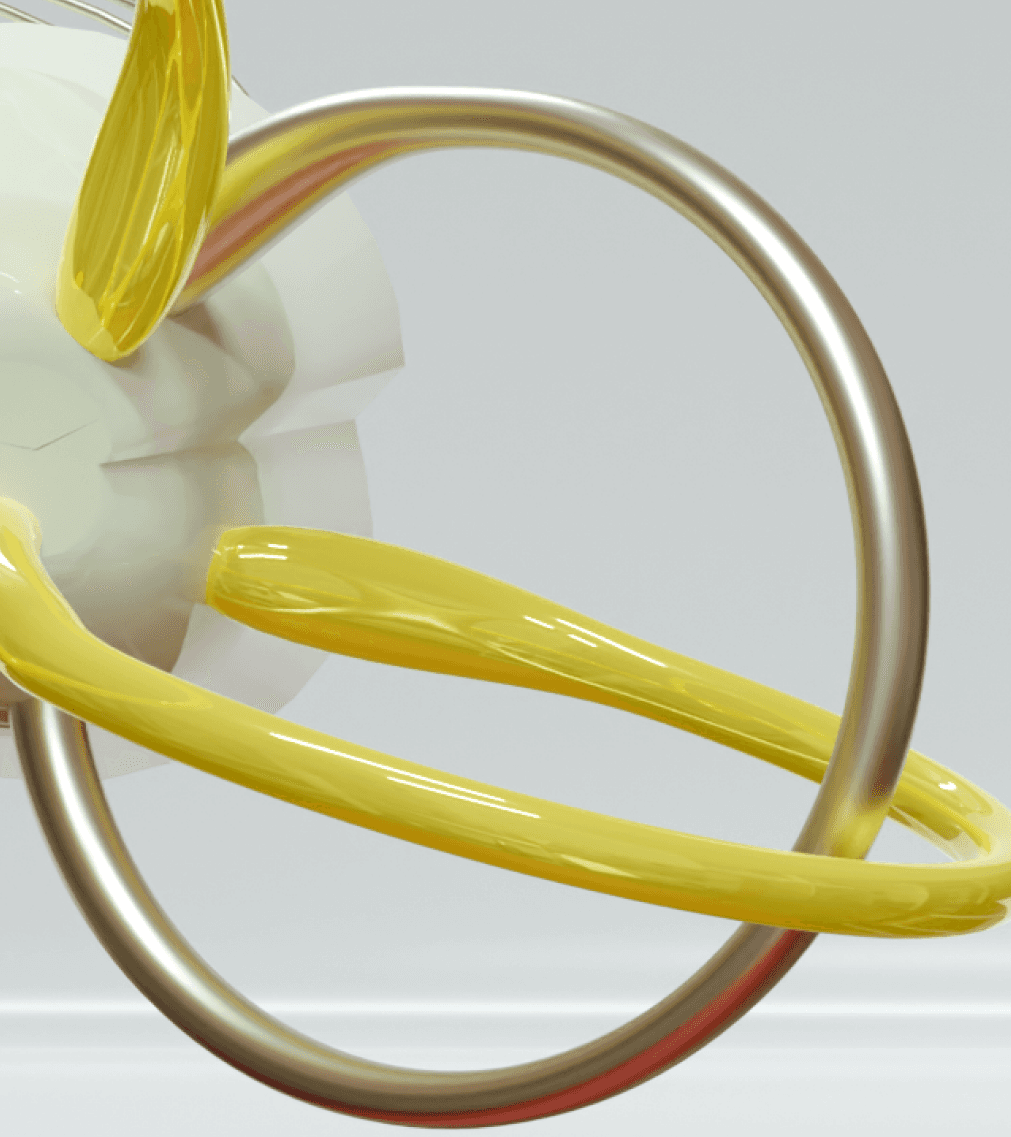
3D studies exploring form, scale, and ergonomics.
Refined renders showcasing the final form, proportions, and material exploration.
AI tools were introduced later as part of the visual prototyping workflow — primarily for material and color exploration, charging dock variations, atmospheric imagery, and motion-based outputs.
The project intentionally used AI as a production and exploration tool rather than a conceptual shortcut, keeping the core product thinking and form development grounded in manual design decisions.
Using the final Blender model, multiple visual directions were explored with Nano Banana.
Charging pod designs generated entirely with Nano Banana to explore form, functionality, and aesthetic direction.
The chosen design was expanded into four consistent product views using Nano Banana and ChatGPT.
Modes provide quick access to predefined listening experiences.
Users can activate, edit, and create custom presets that reflect different activities, moods, and environments without manually adjusting individual sound layers each time.

The device was intentionally designed as a single earpiece rather than a conventional pair — creating a more distinctive silhouette and reinforcing the idea of the object as a speculative wearable rather than a traditional audio product.Its form language draws from biomimicry and the anatomy of the inner ear, resulting in a futuristic, bioform structure that feels positioned between consumer technology and wearable object.
Because the project was not constrained by real-world manufacturing or ergonomic limitations, the design process focused less on practicality and more on visual experimentation, perception, and object identity.
A key goal throughout the project was to avoid the visual clichés often associated with futuristic hardware — creating something unfamiliar, intentional, and non-generic.
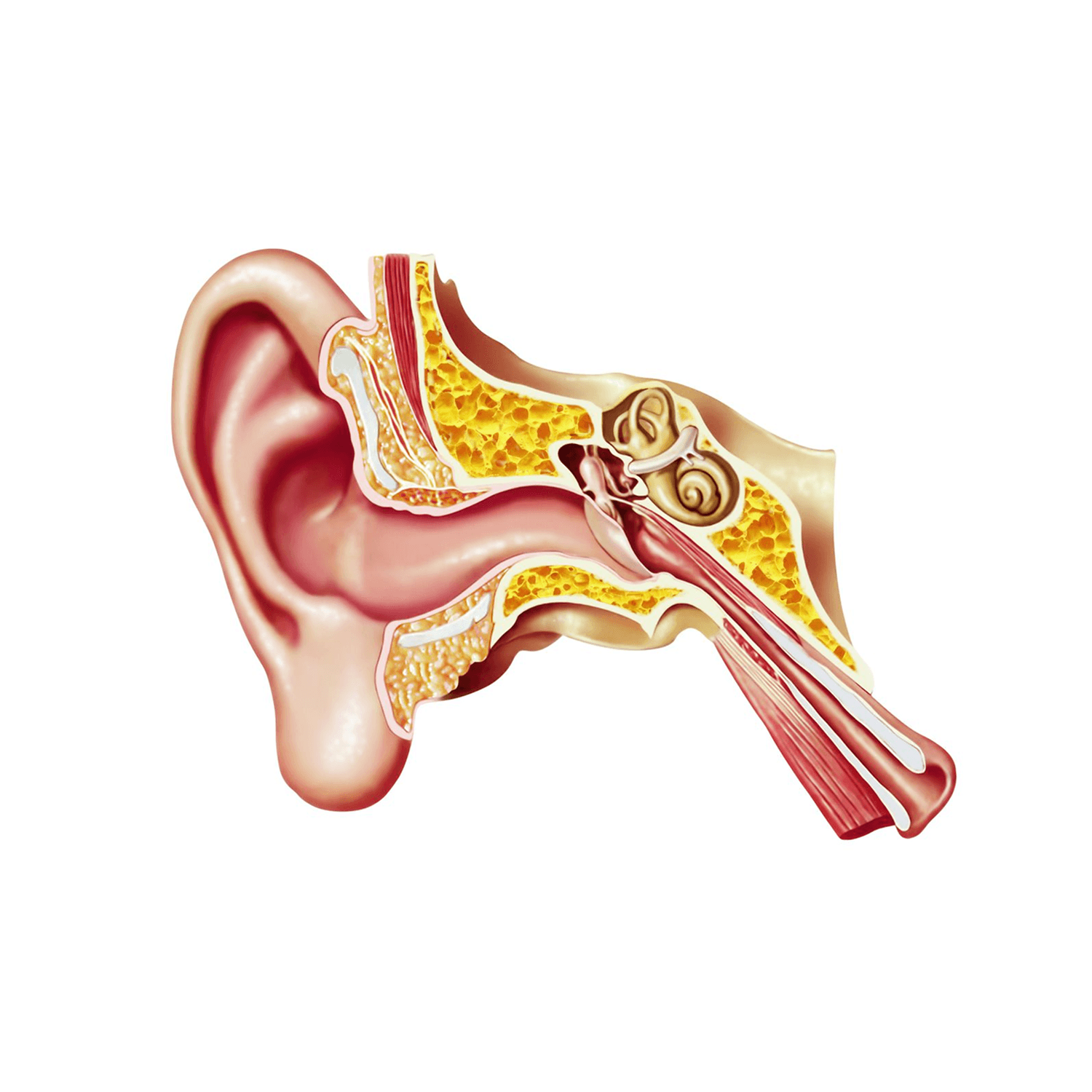
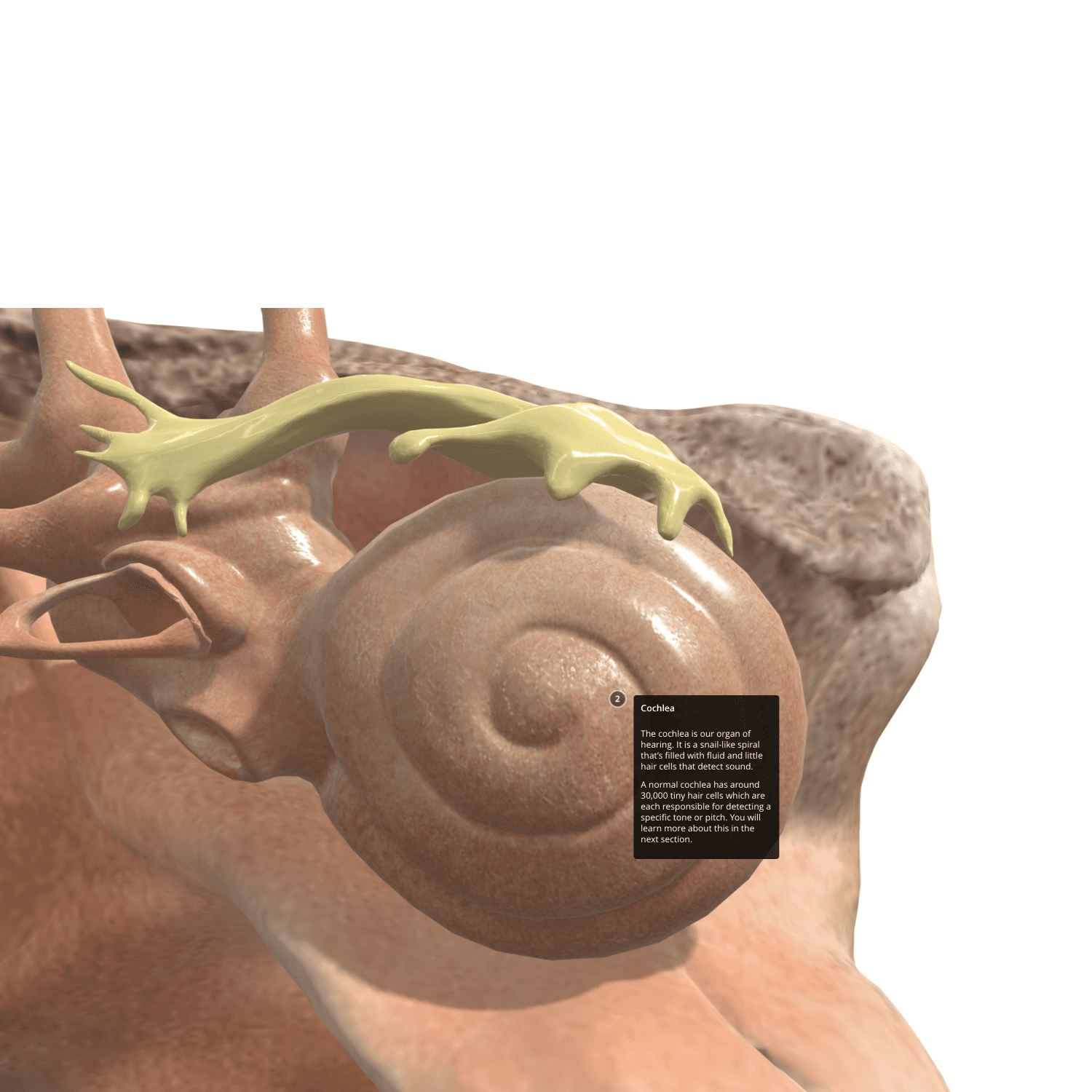

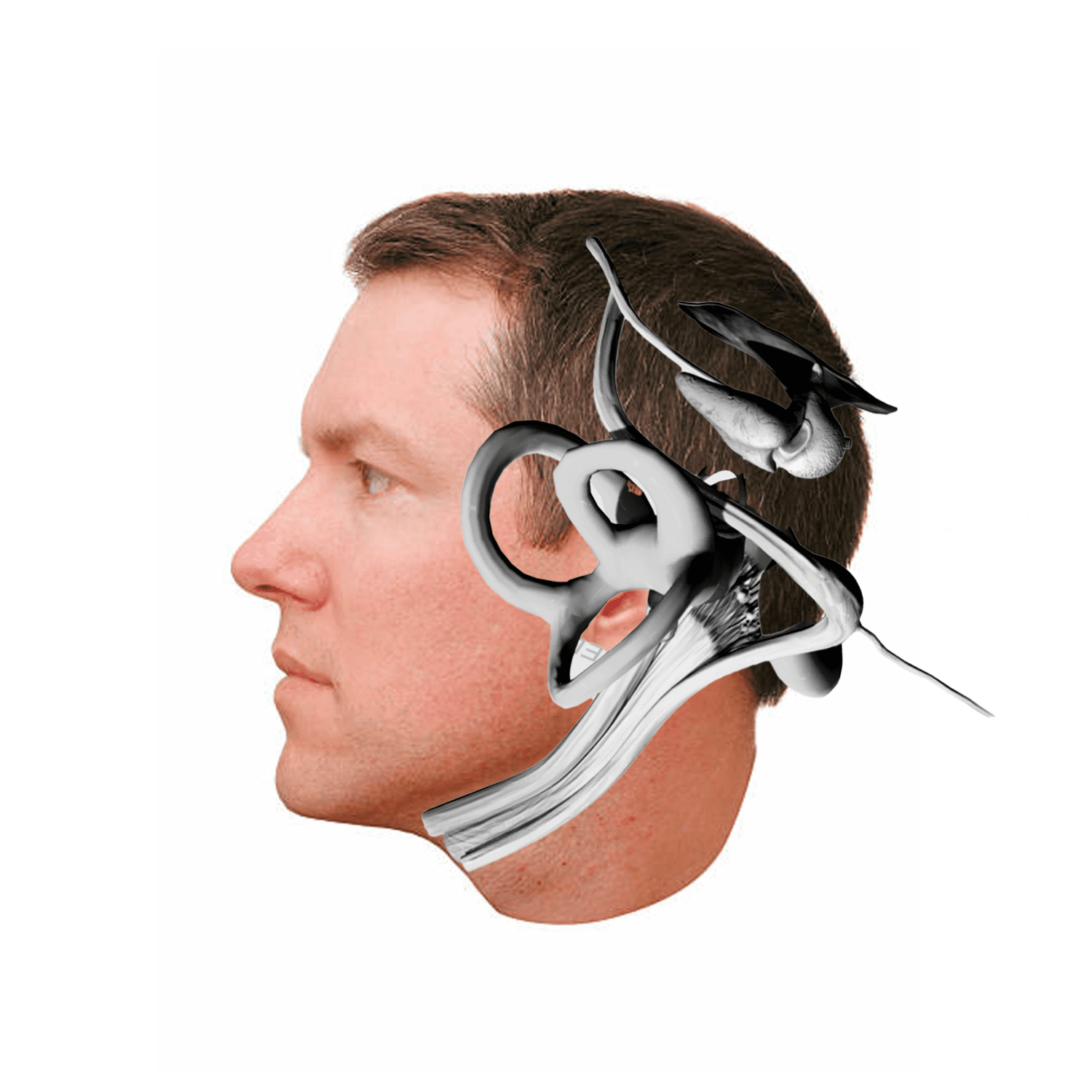
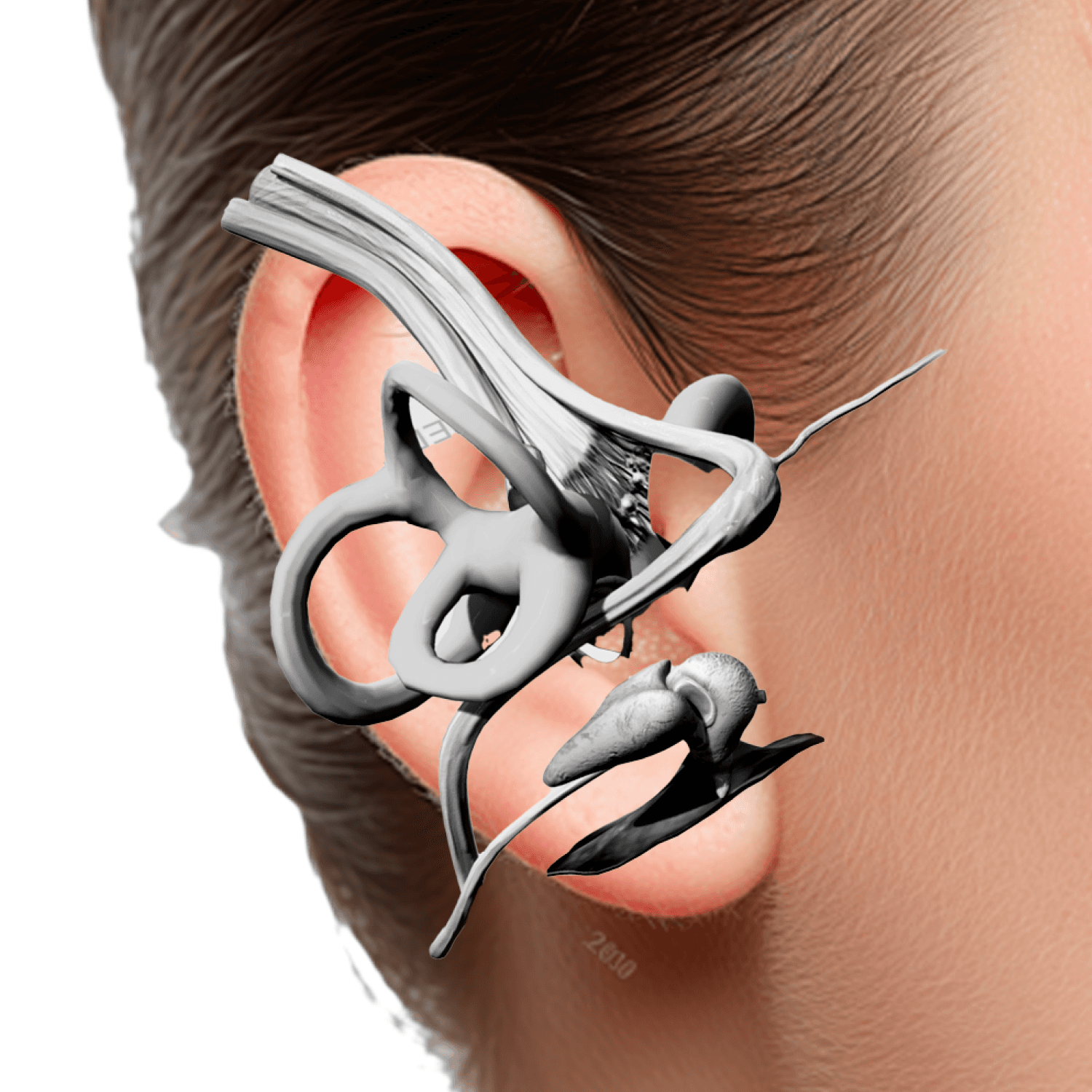
The earpiece was fully modeled in Blender, with the entire exploration process taking place directly in 3D - from early form experimentation to final renders.
Rather than sketching traditionally, the project evolved through iterative modeling, allowing form, proportion, and silhouette to be explored in real time throughout the design process.
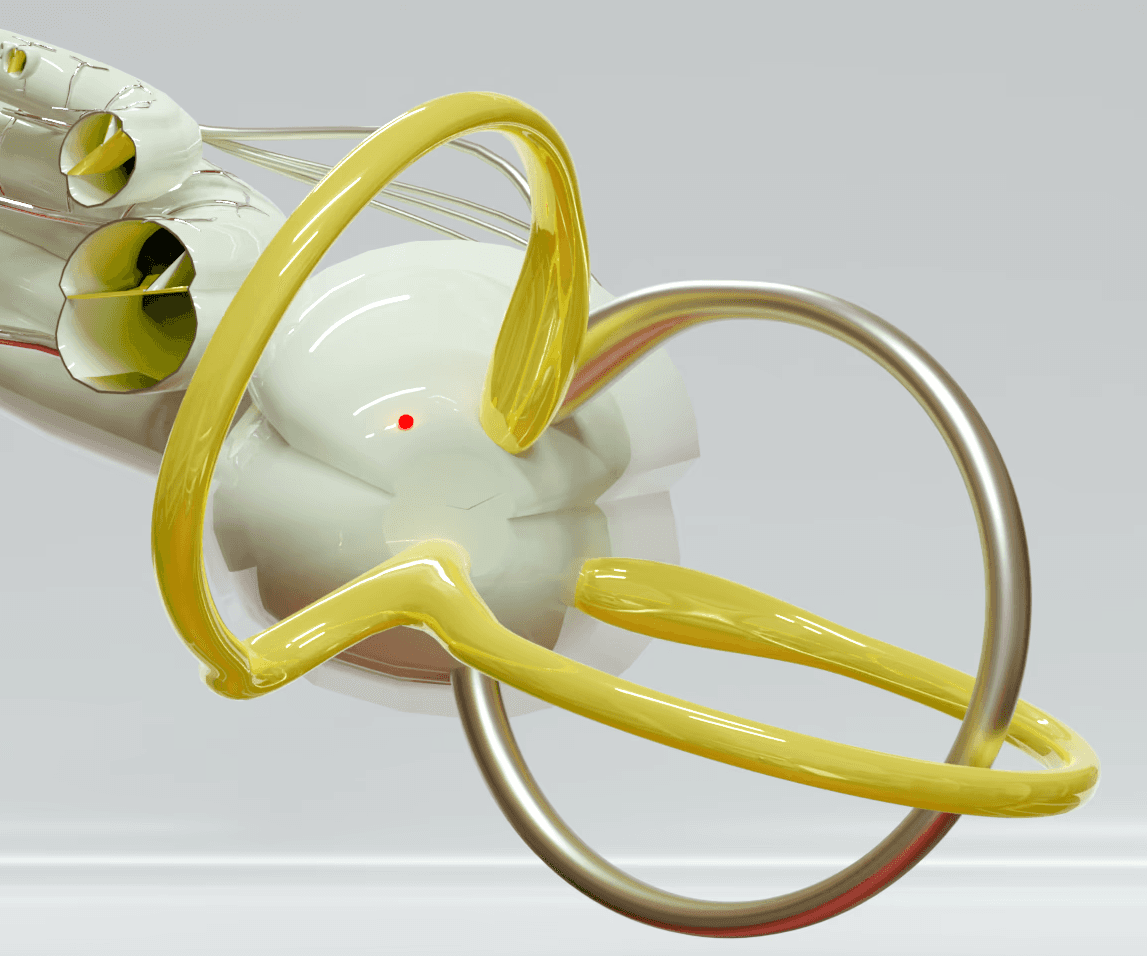
3D studies exploring form, scale, and ergonomics.
Refined renders showcasing the final form, proportions, and material exploration.

AI tools were introduced later as part of the visual prototyping workflow — primarily for material and color exploration, charging dock variations, atmospheric imagery, and motion-based outputs.
The project intentionally used AI as a production and exploration tool rather than a conceptual shortcut, keeping the core product thinking and form development grounded in manual design decisions.
Using the final Blender model, multiple visual directions were explored with Nano Banana.
Charging pod designs generated entirely with Nano Banana to explore form, functionality, and aesthetic direction.
The chosen design was expanded into four consistent product views using Nano Banana and ChatGPT.
We live in a state of constant auditory stimulation — notifications, traffic, conversations, and background noise continuously competing for attention.
The Reality Filter Device explores a speculative product scenario in which sound becomes an intentional, controllable layer rather than passive environmental input. Designed as a fictional technological object, a project examines how emerging technologies could reshape focus, perception, and sensory control.
We live in a state of constant auditory stimulation — notifications, traffic, conversations, and background noise continuously competing for attention.
The Reality Filter Device explores a speculative product scenario in which sound becomes an intentional, controllable layer rather than passive environmental input. Designed as a fictional technological object, a project examines how emerging technologies could reshape focus, perception, and sensory control.
Reality Filter Device extends beyond the wearable itself. The companion application acts as the central interface for understanding, interpreting, and shaping the surrounding soundscape.
Rather than simply controlling audio levels, the system translates complex environmental information into a set of understandable sound layers that can be monitored, adjusted, and personalized in real time.
The experience is built around five environmental categories: Transport, Human Activity, Urban Noise, Nature, and Intrusions. Together, these layers provide users with a flexible framework for actively shaping how their environment is perceived.
Reality Filter Device extends beyond the wearable itself. The companion application acts as the central interface for understanding, interpreting, and shaping the surrounding soundscape.
Rather than simply controlling audio levels, the system translates complex environmental information into a set of understandable sound layers that can be monitored, adjusted, and personalized in real time.
The experience is built around five environmental categories: Transport, Human Activity, Urban Noise, Nature, and Intrusions. Together, these layers provide users with a flexible framework for actively shaping how their environment is perceived.
The Home screen serves as the user's central listening dashboard.
Rather than focusing on environmental analysis, it provides a quick overview of the current experience, including active modes, listening preferences, and real-time environmental status.
Back to top